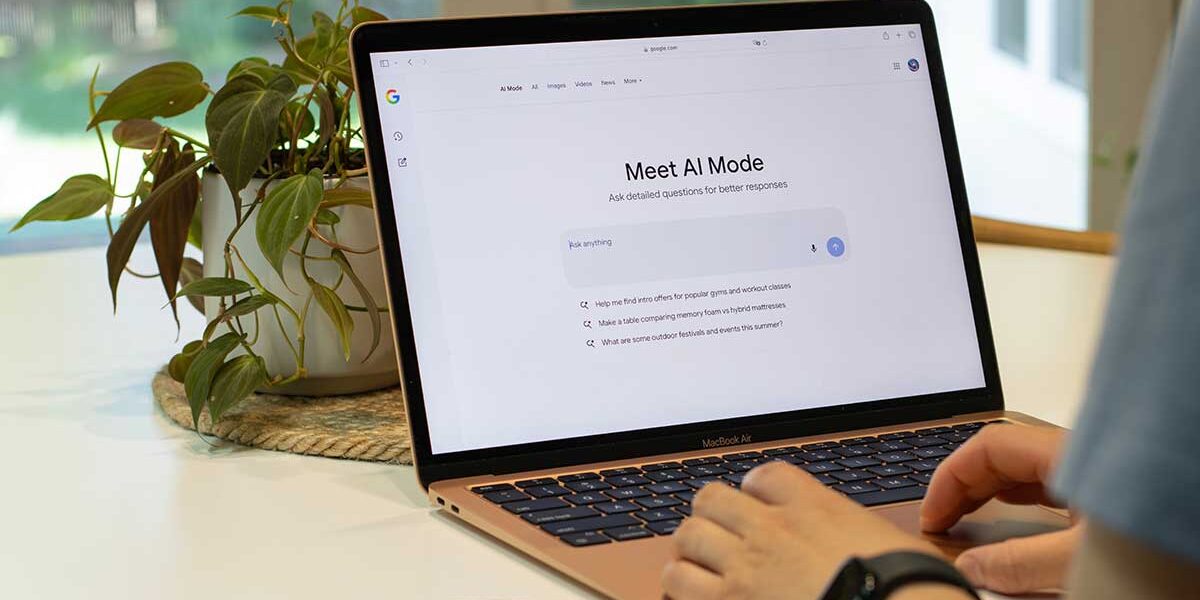
Workers in the United Kingdom are increasingly relying on Artificial Intelligence (AI) to improve their productivity and efficiency, despite not receiving proper training and understanding of the technology, as per recent online reports. This reliance is elevating AI from the status of a useful tool to a workplace essential, even though a vast majority of the workforce is largely winging it.
Companies across various sectors are integrating AI into their operations, and despite the lack of formal training, it was found that AI is often tasked with activities that are more complex than those originally intended in its design. This reflects the needs of workers, as they look to make the best out of the available technologies.
A recent report shows that up to 60% of workers who use AI had not undergone any formal training on the technology. Instead, many explained that they mastered the technology through trial and error, others relied on tips from colleagues, while many resorted to online tutorials and help guides.
This practice shows the adaptability of the UK workforce, and their drive to improve themselves and master new skills. However, the lack of proper training could also be a reflection of the businesses not investing enough in employee development or providing adequate resources.
AI has several applications in the workplace, such as customer service, content marketing, data analysis, recruitment, and productivity enhancement. For instance, organisations may use AI to screen job candidates, while sales departments could use predictive analysis to determine potential clients.
“AI is revolutionising our work processes, but most employees are self-taught,” says James Hadley, CEO of Immersive Labs, a cyber skills platform. “This could have serious implications for efficiency and cyber security. If we’re going to continue to rely on AI, we need to ensure our workforce is properly trained.”
In an era where remote work is becoming more common, an understanding of AI applications and the capability to exploit its full efficiency is crucial. A well-trained workforce would not just operate more responsibly and productively, they would also be less likely to make errors or create security vulnerabilities.
Organisations are yet to implement comprehensive strategies to foster the development of AI skills. A multifaceted and comprehensive training approach could help to speed up the adoption and effectiveness of AI, reducing the risk of errors and omissions that come with learning on-the-fly.
Some experts argue that businesses should invest more resources in upskilling staff’s AI expertise. Linda Aiello, senior vice president of employee success at Salesforce, asserts “As AI continues to transform the workplace, there’s a clear need for ongoing learning and development opportunities.”
On the other hand, there is widespread agreement that AI training should not solely be the responsibility of employers. Policymakers should also consider further education and reskilling courses to aid workers in getting familiar with the new technology. As AI’s dominance in working spaces becomes more profound, workers need to be prepared.
Considering the potential implications of AI in terms of productivity boosts, cost-efficiency, prediction accuracy, and fostering innovation, it is beneficial for everyone involved to ensure an educated use of this technology.
However, it’s important to bear in mind the potential risks of self-taught AI usage, including data breaches, potential misinterpretation of AI outputs, or misuse of the technology. These could employ in the erosion of client trust, financial loss, and even potential legal action.
Businesses need to balance this by providing adequate training to their employees, helping them to understand the technology and its implications properly. Indeed, a trained workforce ensuring the ‘right’ usage of AI will be a significant step in standing at the forefront of the AI-driven future.
As the UK workforce continues to adapt to an AI-dominated environment, formal training could help to harness the full power of the technology. Moreover, a workforce well-versed in AI could also act as a barrier against potential vulnerabilities and promote safe AI use. The alternative risks creating an environment where the majority are winging it, which isn’t a sustainable solution for this rapidly evolving technology.
Original Source: https://www.personneltoday.com/hr/uk-workforce-winging-it-without-ai-training/