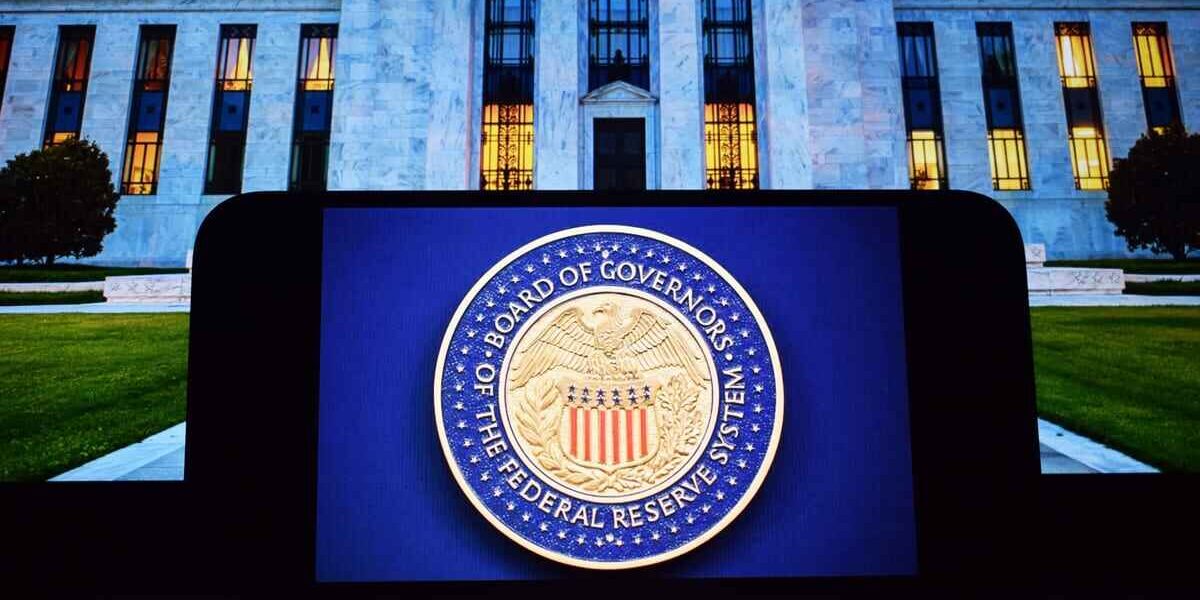
In a surprising turn of events, the United States job market has seen a marked decline, despite forecasts predicting growth. Economists across the nation are left perplexed by this unexpected downturn.
The country has been steadily recovering from the economic hardships brought on by the COVID-19 pandemic, with the gross domestic product growing at a 6.4% annual rate in the first quarter of this year, the second-fastest pace for growth since the second quarter of 2003. This sparked optimism among economists who predicted a parallel rise in the employment sector.
However, contrary to expectations, the U.S. Bureau of Labor Statistics released data showing a noteworthy decline in jobs growth. The American economy added approximately 266,000 jobs in April, a figure far below the predicted one million. Moreover, the unemployment rate surprisingly rose to 6.1% from 6.0% in March.
The profound discrepancy between predicted and actual data has not only confounded economists but has also spurred intense debate about the possible reasons behind this anomaly.
A socio-economic perspective suggests an intertwining of multiple factors. While vaccination drives across the country have encouraged businesses to reopen and function optimally, many working Americans are grappling with issues that prevent them from returning to work. These range from health concerns and lack of child care to the daunting prospect of transitioning from remote work to a physical workplace.
The immediate response from certain quarters attributed this downturn to enhanced unemployment benefits discouraging active job-seeking. However, leading economists warn against oversimplification. They stress taking into account underlying factors, like slower business reopening times in certain states and productivity changes due to a shift towards remote work.
Emma Howell, a senior economist at The Brookings Institution, elaborated on the complexity of the situation saying, “It’s simplistic to just say people don’t want to work. Yes, there are people who might be incentivized to stay home. But health issues and child-care challenges are not concerns you can dismiss. It’s multi-faced like an economic Rubik’s cube.”
Moreover, this decline is not equally distributed across different sectors. The leisure and hospitality sectors, for example, added 331,000 jobs indicating a recovery. However, the manufacturing sector lost 18,000 jobs, and retail lost 15,000 jobs.
The economic implications of this unforeseen job market decline are themselves subjects of debate. While the figures are a disappointment, they do not necessarily signal a long-term economic slump.
“Large swing factors such as reopening after a once-in-a-century pandemic make economic forecasting especially hard,” says Fed Chairman Jerome Powell, suggesting the situation might not be as bleak as it seems.
Hopes remain high for the country’s economic recovery. The difficulty lies not just in unleashing the powerhouse that is the U.S. economy but also in ensuring that millions of displaced workers find their footing again.
The convergence of health, socio-political, and economic crises has undoubtedly been challenging for the U.S. Job market volatility serves as a critical reminder that the road to full recovery is a long and unpredictable one. Immediate statistics, while concerning, are but a small piece of the larger economic puzzle. Comprehensive policies addressing the multilayered nature of this crisis and fostering a more inclusive recovery stand as the need of the hour.
Original Source: https://www.personneltoday.com/hr/economists-surprised-by-jobs-decline-in-us/