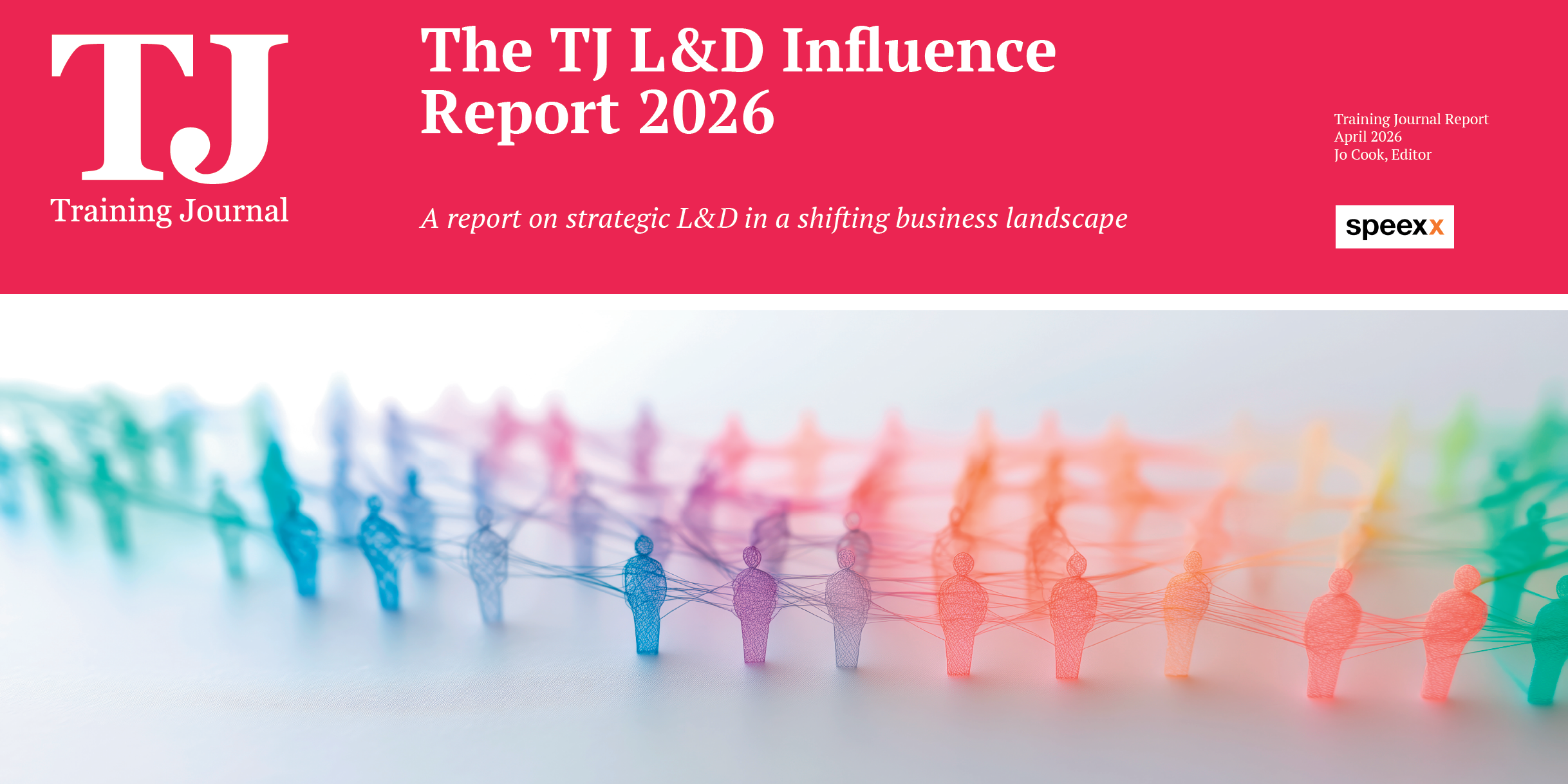
In a world increasingly shaped by digital transformations, the Training Journal’s eagerly anticipated Learning and Development (L&D) Influence Report 2026 has been released, and it offers a fascinating overview of the key trends and factors influencing corporate learning strategies. The report, which aims to provide an in-depth investigation into L&D’s evolving role within enterprises, is backed by rigorous research and insight-packed surveys from industry veterans and novices.
According to the report, the growing influence of L&D within corporations stems from the pronounced shift toward investment in personnel’s skills upgrade to match the accelerating rate of technological advancements. Moreover, the uncertainties brought about by the COVID-19 pandemic have propelled the need for flexible, responsive, and efficient learning strategies.
This ever-increasing significance of L&D is underlined in the report by several notable trends and insights. A key finding in the report is that businesses are allocating more resources towards L&D than ever before, indicative of a strategic move towards creating a highly skilled, adaptable, and resilient workforce.
The study identified an evident surge in online learning, suggesting the pandemic’s long-lasting impact on work and learning models. Blended learning models, characterized by a mix of online learning and traditional classroom experiences, appeared to dominate the landscape – a trend predicted to persist in the future.
Another fundamental shift in L&D strategy is the increased emphasis on personalized and adaptive learning paths. Companies are increasingly turning to AI-driven learning solutions that allow for tailored learning experiences based on individual learner behaviors and preferences.
As per the report, organizations are taking the lead on lifelong learning initiatives, encouraging employees to continually upskill and reskill, thereby fostering a culture of learning and growth. Developing strong in-house talent helps corporations mitigate the impacts of external disruptions and maintain their competitive standing.
Moreover, a consistent theme in the report is the rising importance of L&D data analytics. Companies have begun exploiting data to foster impactful learning, measure return on learning investments, and deliver strategic insights that optimize L&D initiatives.
The report also highlights an interesting shift in power dynamics – L&D teams are no longer seen as mere facilitators; they have emerged as strategic partners. They play a crucial role in aligning learning programs with business objectives, cultivating a skilled talent pool, thus, fostering organizational resilience and competitiveness.
Another trend reflected in the TJ L&D Influence Report 2026 is the focus on learner engagement as a crucial determinant of L&D success. Strategies are designed keeping in mind the engrossing digital life of today’s workforce. Whether it’s through gamification, virtual reality, or social learning, the aim is to create immersive and engaging learning experiences.
Shortly after the release of the report, discussions about its content flooded various digital platforms. LinkedIn groups, Reddit forums, and industry-specialized webinars highlighted it as a valuable resource for understanding the evolving L&D landscape.
In the blogosphere, several notable voices in L&D spoke highly of the report. Emma Weber, a renowned learning transfer scientist, called it “an instrumental tool for future-proofing L&D strategies.” Similarly, Josh Bersin, a famed industry analyst and educator, tweeted, “The #TJReport2026 gives every L&D professional food for thought on how they can better align their efforts with evolving business needs and learner preferences.”
In conclusion, the TJ L&D Influence Report 2026 sheds much-needed light on the trends, shifts, and strategies underpinning the role of L&D in today’s corporate environments. The survey results and insights presented are a testament to L&D’s evolving focus, becoming more pivotal to businesses than ever before. It certainly promises inspiration for those exploring ways to maximize their initiatives’ effectiveness and align their learning strategies with changing learner needs and business goals.
Original Source: https://www.trainingjournal.com/2026/content-type/white-paper/tjinfluencereport2026/?utm_source=rss&utm_medium=rss&utm_campaign=tjinfluencereport2026