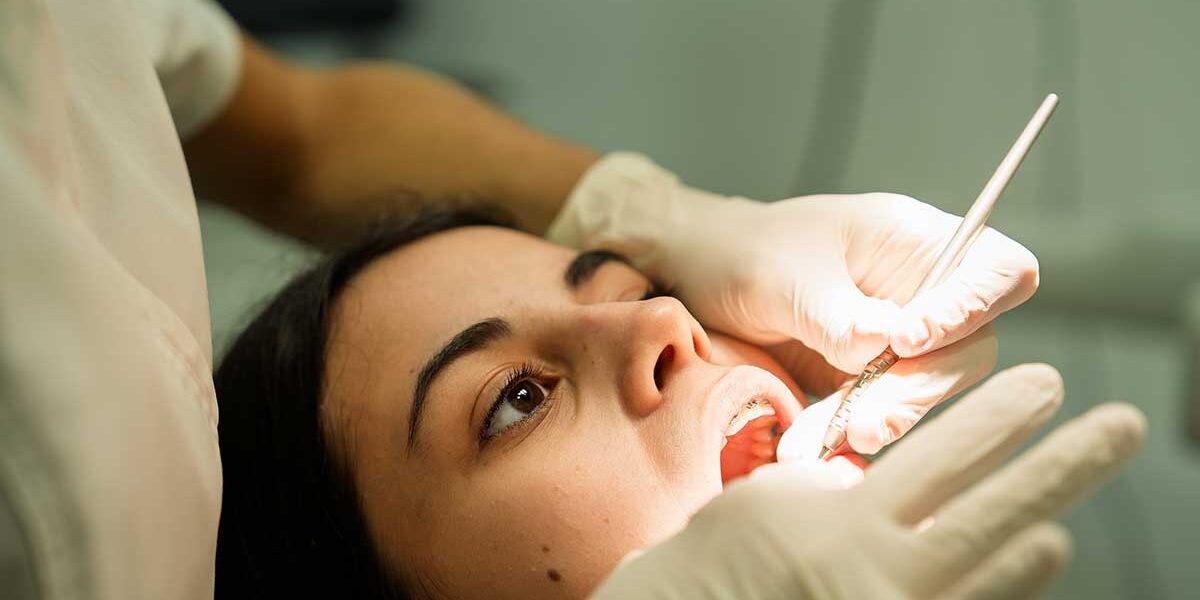
In a strategic move to increase the availability of oral health services nationwide, the government has recently announced a plan to boost the number of practicing dentists. This initiative aims to promote oral health awareness, enhance access to dental care particularly in rural and underserved areas and accommodate a growing population.
This move is a response to ongoing nationwide reports and online coverage that highlight an alarming lack of dental workforce in several regions. Studies indicate an increase in dental disease related to the sheer inaccessibility of professional dental care due to a shortage of dentists. In addition, the significant number of aging dentists on the verge of retirement further compounds this concern.
The government’s proposal, while multi-faceted, primarily targets the expansion of its educational framework. The ultimate goal is to increase the intake of dental students in universities across the country. Accordingly, funding provisions have been earmarked to encourage universities to create more dental course placements.
Remote and underserved areas are the primary focus of the initiative. The state acknowledged the urban-rural divide in dental health and is employing strategies to rectify the situation. Financial incentives are being considered for dental practitioners who opt to serve in rural areas. This not only aims to alleviate the dentist shortage, but also brings oral health services closer to communities who have had limited access in the past.
Political critics argue the issue of overcrowding within existing dental schools as a potential pitfall. However, the government has assuaged these concerns by coupling increased student numbers with investments in infrastructure and facilities, ensuring universities and colleges can comfortably accommodate more learners. The government also emphasizes the importance of maintaining high academic standards despite the proposed expansion.
Online reactions to this government scheme have largely been positive. Many believe that more accessible dental care could significantly decrease dental disease prevalence in the long term. Health advocacy groups applaud the move as a response to calls for a robust dental healthcare system that can keep pace with the growing and aging population.
Increased funding in dental research is another notable area in the government’s comprehensive plan. This envisions dentistry growth not just in numbers, but in the quality of service delivery and technological advancements.
Aging is one aspect that inevitably impacts oral health due to the biological wear and tear endured over the years. The government’s initiative, in promoting research, indirectly contributes to the quality of life for the aging population. Dental research often leads to the development of innovative treatment methods, and these can be made more readily available to the public by increasing the number of practicing dentists.
However, the government does caution that the plan is not a quick fix. Increasing the number of qualified, practicing dentists is a long-term goal that requires strategic implementation and ongoing evaluation. Success will require an alignment of interests among stakeholders, including educational institutions, healthcare systems, and communities.
The government’s initiative to boost dentist numbers demands significant investment, but the potential return is exponential. Accessible and improved oral health care could reduce long-term medical costs and contribute to the overall wellness of the nation.
Investment in education, infrastructure, research, and incentivization is a comprehensive approach to address the prevalent shortage of dental professionals. This move signifies a bold step forward toward equitable healthcare access that is poised to create a significant ripple effect on the nation’s oral health landscape in the upcoming years.
Original Source: https://www.personneltoday.com/hr/government-to-boost-dentist-numbers/