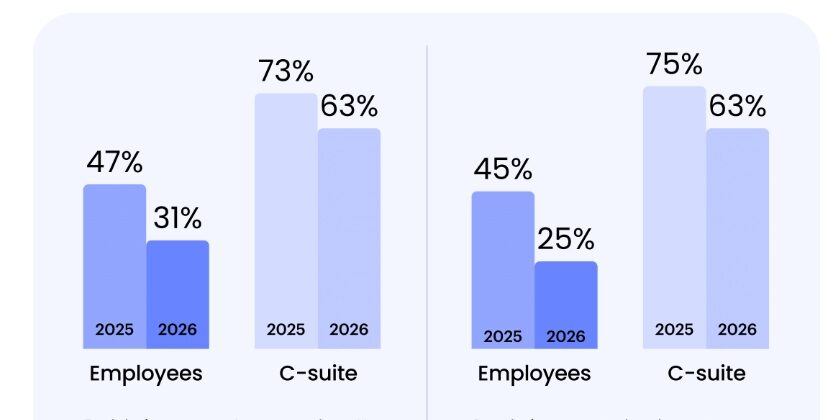
The recent surge in discussions surrounding Artificial Intelligence (AI) has unveiled a series of prevalent myths that are hindering its adoption across various sectors. As organizations navigate the complexities of integrating AI, misconceptions about its capabilities and implications continue to cloud judgment, leading to cautious or even sabotaged implementation initiatives. This dialogue is crucial now, as firms postponed AI adoption are struggling to remain competitive in an increasingly data-driven marketplace.
What happened
In several high-profile reports, industry leaders have signaled concerning trends regarding the actual versus perceived barriers to AI implementation. A survey conducted by a prominent technology consulting firm revealed that approximately 70% of businesses cited “fear of failure” as a significant barrier to adopting AI technologies. Furthermore, nearly half of the respondents believed that AI systems were too complicated and misaligned with their business needs. This sentiment evidences a widening gap between AI’s potential and its real-world application or implementation.
Why it matters
The overarching impact of these myths is that many organizations are not only delaying AI integration but also experiencing strategic paralysis. As companies cling to outdated notions, they miss opportunities for innovation and efficiency gains. One prominent myth is the concept of “sabotage,” where individuals within organizations are believed to undermine AI initiatives for personal job security concerns. In reality, the greatest sabotage emerges from the silence surrounding open discourse on AI risks and rewards.
Another prevailing myth is that successful AI adoption is done solely through extensive financial investment or expertise. Companies often overlook the role of strategy characterized by clarity and vision in guiding AI initiatives. Implementing AI cannot only be about acquiring the best tools; it’s imperative to cultivate a culture that embraces data-driven decision-making and interdisciplinary collaboration. The misconception that technology alone ensures effective adoption can lead to misplaced resources and unfocused strategies, resulting in unfavorable outcomes.
Moreover, the misguided perception of AI as a “magic bullet” can lead to oversimplification of the technology’s capabilities, creating fragile expectations. Organizations are misled to believe that AI will solve all operational issues without a clear understanding of its applicability across different contexts. Recognizing that AI is a complex tool requiring sustained effort and fine-tuning is imperative for any successful integration.
What comes next
The immediate outlook calls for organizations to reassess their understanding of AI not just as a technology, but as a catalyst for transformational change. Companies must prioritize education and open communication to dismantle the myths that surround AI adoption. This includes fostering discussions about risks, promoting a culture of innovation, and ensuring that stakeholders at all levels understand the technology’s potential impacts.
As AI continues to evolve, the next watchpoint will be the capacity of organizations to overcome these entrenched myths. The challenge lies in their ability to align AI objectives with broader business strategies while cultivating an adaptable mindset. For firms eager to leverage AI effectively, normalizing these conversations and setting realistic expectations will prove essential for navigating the uncertainty surrounding AI integration in the future.
Original Source: https://hrexecutive.com/sabotage-silence-and-strategy-built-for-show-5-ai-adoption-myths/