The latest turn
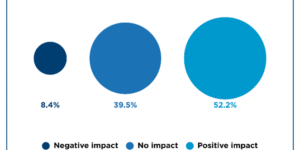
Recent studies indicate that organizations employing AI solutions have seen significant improvements in employee engagement levels. This development signals a shift in how companies are navigating workplace dynamics, focusing on personalized experiences rather than traditional one-size-fits-all approaches. The integration of AI tools such as chatbots, sentiment analysis, and employee monitoring software has not only streamlined communication but has also created less hierarchical environments where employees feel more valued and recognized.
How the story got here
The intersection of workplace culture and technology has long been a subject of interest for organizational leaders. As the COVID-19 pandemic accelerated the adoption of remote work, many businesses turned to AI to bridge communication gaps and foster team cohesion. Initially, AI systems were developed primarily for operational efficiencies, but as their capabilities grew, companies began leveraging them for enhancing employee experiences.
By utilizing AI-driven analytics, organizations can now gauge employee sentiment in real time, allowing them to respond promptly to potential issues. For instance, AI can analyze feedback collected from employee surveys and identify patterns that may indicate low morale or dissatisfaction. This proactive engagement enables organizations to tailor strategies that address employee concerns before they escalate.
Moreover, AI-powered personalization tools help companies provide resources and development opportunities that align with employees’ individual goals. By offering training programs and career-path recommendations tailored to each employee’s aspirations, organizations have noted a marked improvement in job satisfaction and retention rates.
Next expected developments
As AI technologies continue to evolve, their role in employee engagement is expected to expand further. Organizations may begin deploying more sophisticated solutions that not only analyze employee data but also facilitate dynamic feedback loops, where employees can interact with the systems to shape a more fulfilling workplace environment.
The next milestone in this journey lies in the ethical deployment of AI. As companies harness the power of these technologies, they must remain cognizant of data privacy concerns and the need for transparency in how employee information is utilized. Responsible AI practices will likely become a focal point as more firms navigate this terrain.
Ultimately, successfully integrating AI into employee engagement strategies requires a balancing act—leveraging technology to empower employees while maintaining a human touch in workplace relationships. Those who can strike this balance will not only enhance their engagement initiatives but also foster a more inclusive and productive work culture.
Original Source: https://hrexecutive.com/why-ai-improves-employee-engagement-for-some-organizations-and-how-to-make-it-work-for-yours/