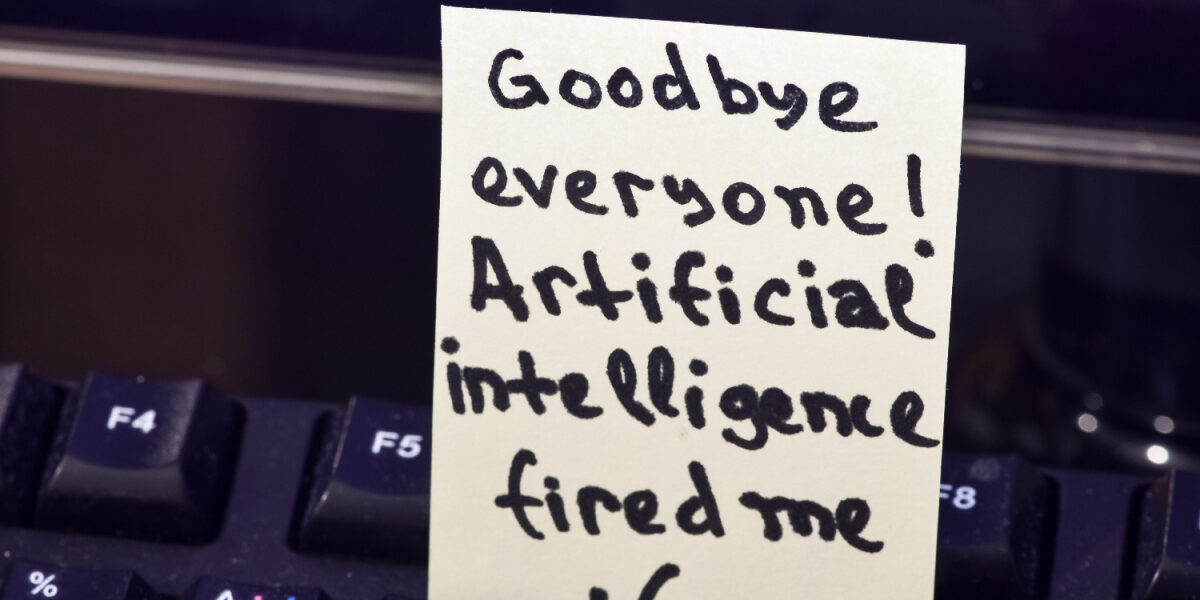
Recent studies indicate that one in ten early career professionals are reconsidering their job plans due to fears surrounding artificial intelligence (AI). This shift in mindset is causing ripples across various sectors, highlighting the growing apprehension about the implications of AI technologies on job security and career trajectories.
Key details
The trend was uncovered in a survey conducted by a leading employment research organization, which queried young workers about their job-related concerns in the wake of rapid technological advancement. The study revealed that a notable 10% of respondents are contemplating changes in their career paths directly linked to the perceived threat of AI automation. Concern spans various industries, with many young professionals expressing anxiety about the lack of clarity regarding their future roles as AI systems become increasingly integrated into the workplace.
Interestingly, this sentiment is not confined to tech-heavy sectors. Fields such as marketing, finance, and even healthcare are seeing a rise in caution among early career individuals, many of whom are seeking reassurance about the longevity of their roles. By reconsidering their job choices, these young professionals are sending a clear signal to employers: adaptability and transparency regarding AI adoption will be critical in attracting and retaining talent in the coming years.
Why this matters
The decision of one in ten early career workers to switch plans sheds light on broader societal anxiety surrounding AI. As automation and AI tools continue to evolve and encroach on traditional job functions, job security is becoming a pressing concern for many professionals, especially those at the start of their careers. The rapid pace of change might distort the job market, rendering certain degrees and skills obsolete while creating demand for new ones.
This reevaluation also signifies a shift in the expectations that young workers have about their employers. Many are now prioritizing positions that not only offer security but also incorporate training and development in AI-related skills. Companies that fail to address these concerns may find they are at a disadvantage in attracting young talent, who may choose to work for organizations that demonstrate a proactive approach to addressing AI’s impact on the workforce.
Broader picture
The implications of this trend extend beyond individual job choices. As more professionals express hesitancy regarding careers in industries heavily impacted by AI, businesses may need to reconsider their hiring practices and workforce development strategies. This might lead to a greater emphasis on retraining initiatives and forward-looking career pathways that integrate AI technologies alongside human skills.
Furthermore, the increased awareness around AI could catalyze discussions about ethical implications and regulatory measures needed to ensure a fair job market. As employees demand a more significant voice in how AI is shaping their work environments, companies will be challenged to balance innovation with responsibility. In this context, the actions taken today to address these fears could forge a more sustainable and equitable future for workers across industries.
Ultimately, while fears surrounding AI are prompting some early career professionals to rethink their job plans, this also presents an opportunity for both employers and employees to engage in a constructive dialogue about the future of work. The evolving landscape is likely to require ongoing adaptation, necessitating collaboration in reshaping the workforce of tomorrow.
Original Source: https://www.personneltoday.com/hr/one-in-10-early-career-professionals-switching-job-plans-because-of-ai-fears/