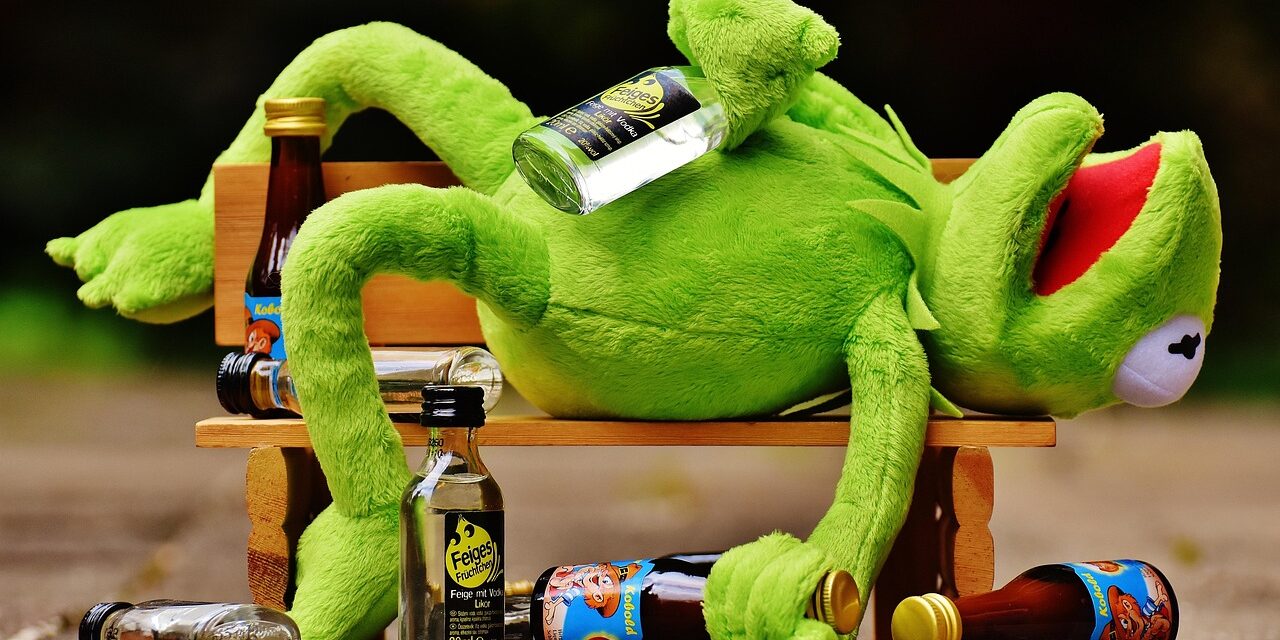
New research reveals that nearly 50% of employees felt hungover or still intoxicated upon returning to work after the recent bank holiday weekend, signaling a potential trend in work-related productivity issues stemming from excessive alcohol consumption during breaks. This revelation raises questions about workplace culture and the balance between socialization and professional responsibilities.
What happened
The study conducted by workforce analytics firm, WorkWise, surveyed over 1,000 employees across various sectors in the UK. The results indicated that 47% admitted to showing up at work while experiencing the effects of alcohol, with 21% confessing to consuming more than five drinks during their time off. Many employees reported that the long weekend encourages festive celebrations, which often include substantial drinking.
Follow-up interviews highlighted that several respondents felt that workplace norms around alcohol consumption may be contributing to this trend. “It’s just part of our culture to go out and celebrate after a long week,” said one participant. “It’s almost expected.” While most respondents acknowledged the personal accountability, many pointed to the pressure to socialize with colleagues as a barrier to moderation.
Why it matters
The implications of this trend are significant, not only for individual health but also for overall workplace productivity. Employees who arrive at work inebriated or hungover may struggle with their performance, leading to increased mistakes and reduced efficiency. This situation can highlight a conflicting dynamic between workplace camaraderie and professionalism.
Additionally, the data reflects broader societal issues concerning alcohol consumption and mental health. Experts have long warned about the potential dangers of normalizing heavy drinking as a means of relaxation or celebration. “Alcohol can impair judgment, and continued usage during work hours can exacerbate already existing mental health concerns,” stated Dr. Helen Carter, a psychologist specializing in workplace wellness.
What comes next
As organizations face the reality of this emerging trend, they may need to rethink their policies and practices surrounding alcohol and social gatherings. Some companies are already examining ways to promote a healthier workplace culture that encourages socialization without the reliance on alcohol. Implementing initiatives like alcohol-free events or providing resources for employees grappling with alcohol-related issues could be crucial steps forward.
Moving forward, employers might consider conducting surveys to gain deeper insights into their employees’ drinking habits and perceptions about workplace alcohol consumption. Additionally, developing clear guidelines on acceptable behavior after social functions, including clear repercussions for excessive drinking, could help mitigate the negative impacts on productivity.
As the conversation about alcohol consumption in the workplace evolves, businesses will need to balance the importance of social connections with the imperative for a professional work environment. The outcome of this balance may determine how employees perceive their work culture in the future.
Original Source: https://hrreview.co.uk/hr-news/wellbeing-news/nearly-half-of-staff-hungover-or-still-drunk-at-work-after-bank-holiday-boozing/387453