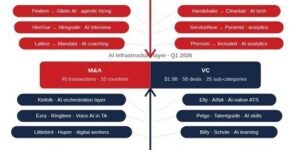
The landscape of human resources technology is evolving rapidly, with many companies reassessing their HR tech stacks. Recent surveys indicate that nearly 70% of organizations are either in the process of upgrading their HR systems or planning to do so in the near future. This shift is reshaping the way businesses manage their talent, creating an atmosphere of uncertainty and anticipation among employees and HR professionals alike.
Immediate reaction
As news of these technological overhauls spreads, reactions from both the workforce and industry experts reveal a mixed bag of enthusiasm and trepidation. Employees are increasingly voicing concerns about being left out of conversations that directly impact their day-to-day work. Many express a desire for more transparency and input into which tools will be adopted. Meanwhile, HR professionals are urging organizations to prioritize user experience and consider employee feedback as these changes take shape.
“It’s not just about the technology; it’s about how that technology affects our work environment,” said a senior HR manager at a Fortune 500 company. This sentiment is echoed by many who fear that the lack of employee voices in the planning stages will lead to suboptimal outcomes. In response, some organizations are beginning to develop focus groups aimed at gathering insights from staff, indicating a shift toward a more inclusive approach.
What triggered the move
Several factors are driving the overhaul of HR tech stacks. The pandemic has accelerated the adoption of remote work and digital solutions, forcing HR departments to reassess how they engage with employees effectively. Additionally, the rapidly changing job market demands agility in recruitment and employee management, prompting organizations to seek more integrated and innovative technology solutions.
The rise of artificial intelligence and machine learning has also played a significant role. Firms are investing in technology that not only streamlines HR processes but also enhances talent acquisition and employee engagement through advanced data analytics. However, these advancements come with a cautionary tale. Experts warn that without adequate employee involvement in technology choices, companies risk deploying solutions that do not cater to their actual needs.
Why readers should care
This shift in HR technology solutions isn’t merely a corporate issue; it’s one that affects the entire workforce. Employees should be aware that their input is crucial amidst these changes. As businesses move to adopt new technologies, the potential for improved work experiences, better engagement, and enhanced productivity hinges on the collective voices of employees. Those within organizations need to advocate for their needs and preferences to ensure that technology serves them rather than complicates their roles.
In the short term, the impact of these changes may present both challenges and opportunities. Organizations that engage their employees in conversations about HR tech are more likely to foster a positive workplace culture. Conversely, those that fail to consider employee feedback could face resistance, diminished morale, and increased turnover. The road ahead will depend on how organizations balance innovation with inclusivity, and how much they value the voice of their workforce in shaping the future of HR technology.
Original Source: https://hrexecutive.com/your-hr-tech-stack-is-being-rebuilt-around-you-do-you-have-a-voice-in-it/