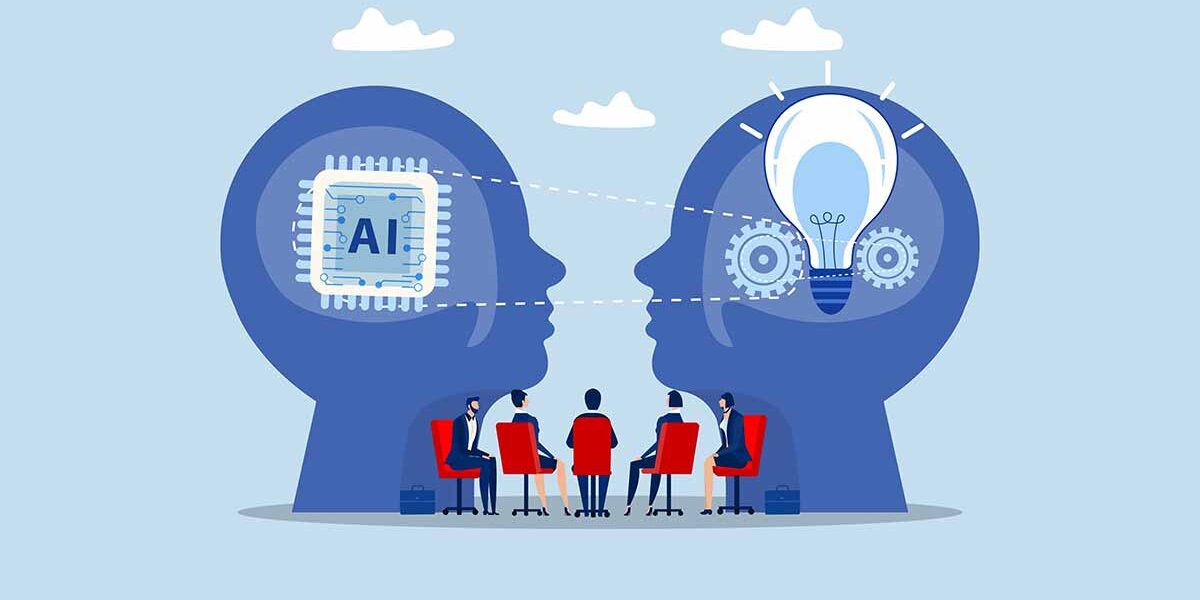
In a notable shift, recent surveys indicate that a decreasing number of CEOs believe artificial intelligence (AI) will lead to significant reductions in hiring within their organizations. This change is particularly consequential as businesses increasingly rely on AI to enhance productivity and streamline operations.
Key details
A survey conducted by a prominent business research firm revealed that only 27% of CEOs now think that the integration of AI technologies will harm job prospects within their companies. This marks a decline from previous reports, where apprehensions about AI displacing human employees were more pronounced. The previous year’s surveys indicated that nearly half of CEOs feared job cuts due to automation and AI advancements.
This transformation in sentiment among executives may reflect a growing understanding of AI’s potential to supplement rather than replace human labor. Many leaders are starting to recognize that AI can be effectively utilized to automate repetitive tasks, enhance decision-making, and unlock new opportunities for growth and innovation.
Why this matters
This evolving perspective on AI’s impact on the workforce could have far-reaching implications for labor markets and employment strategies. As CEOs increasingly see AI as a tool for augmentation, rather than displacement, companies may invest in strategies that incorporate AI alongside human talent. This can foster a more collaborative work environment where employees are trained to work alongside machines, potentially leading to new job creation in tech and support roles.
Moreover, this perception shift could influence how organizations approach the skills development of their workforce. Recognizing the need for employees to adapt and evolve in the face of technological advancements, many companies may focus on reskilling initiatives. This would prepare their teams to leverage AI technologies effectively, ensuring that workers can enhance their roles rather than face obsolescence. The commitment to training could also help mitigate fears about job losses, boosting morale and promoting a more resilient workforce.
Broader picture
While the current findings provide an optimistic outlook on the role of AI in the workplace, it is essential to consider the broader economic and social implications. The initial fears surrounding AI-driven job displacement were rooted in real concerns about the rapid advancement of technology and its impact on routine tasks. Although fewer CEOs express these fears now, the conversation about job security and AI’s role is far from over.
As industries evolve, there will be clear winners and losers in the employment market. Jobs requiring routine tasks may still face challenges, while roles emphasizing creativity, emotional intelligence, and complex decision-making are likely to flourish. It is imperative for governments, educational institutions, and the private sector to collaborate in ensuring that workers are prepared for the new demands of the labor market.
In summary, while there is burgeoning optimism among CEOs about AI’s role as a facilitator of growth rather than a harbinger of job loss, the situation necessitates proactive approaches to workforce development. The ongoing dialogue surrounding AI and employment will be crucial in shaping a future where both technology and human capability can coexist and thrive.
Original Source: https://www.personneltoday.com/hr/fewer-ceos-believe-ai-will-reduce-hiring/