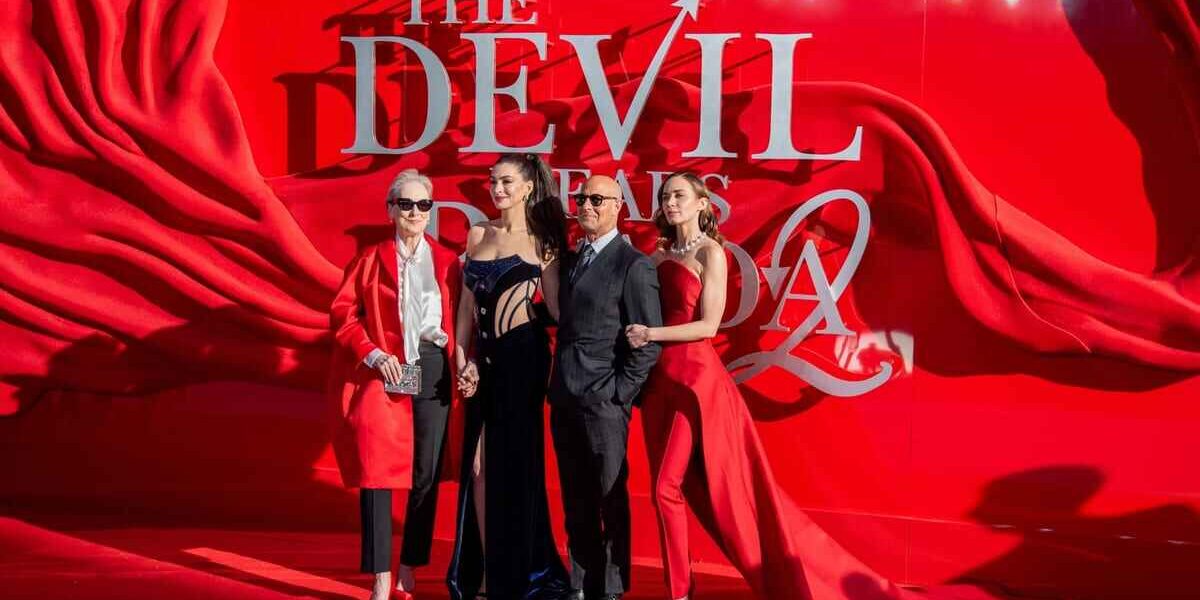
In the realm of fashion and corporate culture, “The Devil Wears Prada” serves as a fascinating case study on power dynamics, employee engagement, and the impact of leadership styles. The 2006 film, starring Meryl Streep and Anne Hathaway, continues to resonate, especially within human resources (HR). Examining its themes reveals valuable lessons that HR professionals can apply in today’s workplace.
Background and context
The film follows Andrea Sachs, a recent college graduate who secures a position as an assistant to Miranda Priestly, the formidable editor-in-chief of a major fashion magazine. As Andrea navigates the high-pressure environment of the fashion industry, she grapples with her values, ambitions, and the cost of success. Miranda epitomizes a leadership style marked by high expectations and a lack of empathy, forcing Andrea into a significant internal conflict.
From an HR perspective, this relationship highlights critical lessons about employee support, communication, and work-life balance. In the fast-paced corporate world, it can be tempting to prioritize results over the wellbeing of employees. However, “The Devil Wears Prada” prompts HR practitioners to examine how workplace culture and managerial styles can motivate or demoralize staff. The impact of Miranda’s demanding nature serves as a cautionary tale for leaders who underestimate the importance of fostering a positive environment.
Latest developments
As flexible working arrangements and remote jobs become more prevalent, companies are re-evaluating their leadership strategies. Recent studies suggest that organizations prioritizing employee satisfaction and engagement see higher productivity and lower turnover rates. This shift indicates a growing awareness of the negative outcomes associated with the cutthroat management styles exemplified by Miranda Priestly.
Contemporary businesses are increasingly adopting practices that emphasize empathy and understanding in leadership. By promoting open communication and addressing employee concerns, HR departments are striving to cultivate environments where staff feel valued and connected. In line with these changes, lessons from Andrea’s experience and Miranda’s managerial approach can help shape effective HR strategies that align more closely with employee needs.
What to watch next
Looking ahead, the challenge for HR lies in balancing high-performance expectations with an emphasis on employee wellbeing. Companies should consider training programs that encourage mindful leadership and emphasize emotional intelligence to create a more supportive workplace culture. This could include workshops that focus on communication skills and team-building exercises to improve relationships among staff at all levels.
Furthermore, as organizations continue to adapt to the post-pandemic landscape, HR teams should remain vigilant in observing workplace dynamics. The evolving expectations of employees demand innovative solutions that foster inclusivity and diversity, preparing companies for future challenges. In light of these developments, “The Devil Wears Prada” can serve as a reminder that while ambition is essential, nurturing human capital is equally crucial to long-term success.
Ultimately, the classic film underscores a timeless message: effective leadership is not solely about demanding excellence; it is also about understanding and supporting those who contribute to that success. HR professionals can take these lessons to heart, ensuring that empathy and accountability go hand in hand in cultivating a thriving workplace.
Original Source: https://www.personneltoday.com/hr/what-can-hr-learn-from-the-devil-wears-prada-hmmm/