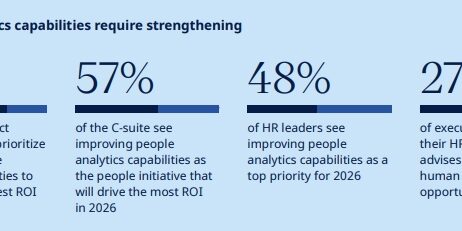
Despite a growing focus on people analytics among C-suite executives, a significant trust gap remains, with only 27% of organizations expressing confidence in their HR departments to effectively deliver on these analytics. This disconnect highlights the challenges that companies face as they pivot toward data-driven decision-making in areas previously dominated by intuition and personal experience.
Background and context
The concept of people analytics is not new, but it has gained substantial traction in recent years as organizations strive to harness data for talent management, employee engagement, and organizational performance. The aim is to transform HR from a transactional function into a strategic partner, capable of leveraging insights to improve business outcomes. As companies adapt to the complexities of the modern workforce, the demand for accurate, actionable data on employee behavior, performance metrics, and turnover rates has never been higher.
Despite this rising interest, many businesses grapple with a lack of faith in the HR function’s ability to produce reliable, impactful insights. A recent survey revealed that while 75% of C-suite leaders view people analytics as critical to organizational success, only a quarter trust HR to deliver those insights. This skepticism is partly rooted in historical perceptions of HR as a department focused primarily on compliance and administrative tasks rather than as a driver of strategic initiatives.
Latest developments
In response to these concerns, several companies are re-evaluating their HR practices and investing heavily in technology to enhance their data analytics capabilities. Platforms that centralize employee data and offer sophisticated analytical tools are becoming crucial. Moreover, organizations are prioritizing training for HR professionals to develop competencies in data interpretation and strategic thinking.
Some industry leaders are beginning to see signs of improvement as a result of these investments. Companies that have integrated data analytics into their HR functions report higher employee satisfaction and reduced turnover, suggesting that when data is effectively utilized, it can indeed lead to positive outcomes. Nevertheless, the journey to fully integrating people analytics remains fraught with challenges, including cultural resistance and the need for clear communication about the benefits of data-driven HR practices.
What to watch next
As the trust deficit persists, the upcoming months will be critical for organizations attempting to bridge this gap. Companies should closely monitor how human resources departments adapt to heightened expectations from the C-suite and whether they can deliver the promised insights. Key indicators to watch will include the turnover rates of HR employees, the successful implementation of analytics tools, and shifts in company culture towards data literacy.
Moreover, the role of technology in shaping the future of HR analytics cannot be overstated. Innovations such as artificial intelligence and machine learning could revolutionize how HR interprets and acts on data, provided that organizations also focus on fostering a culture of trust and transparency around data usage. Ultimately, the success of people analytics will depend not just on the availability of data, but on HR’s ability to inspire confidence among stakeholders by demonstrating that insights lead to real, measurable improvements in employee experience and organizational performance.
Original Source: https://hrexecutive.com/people-analytics-gets-top-billing-from-the-c-suite-but-only-27-trust-hr-to-deliver-it/