The latest turn
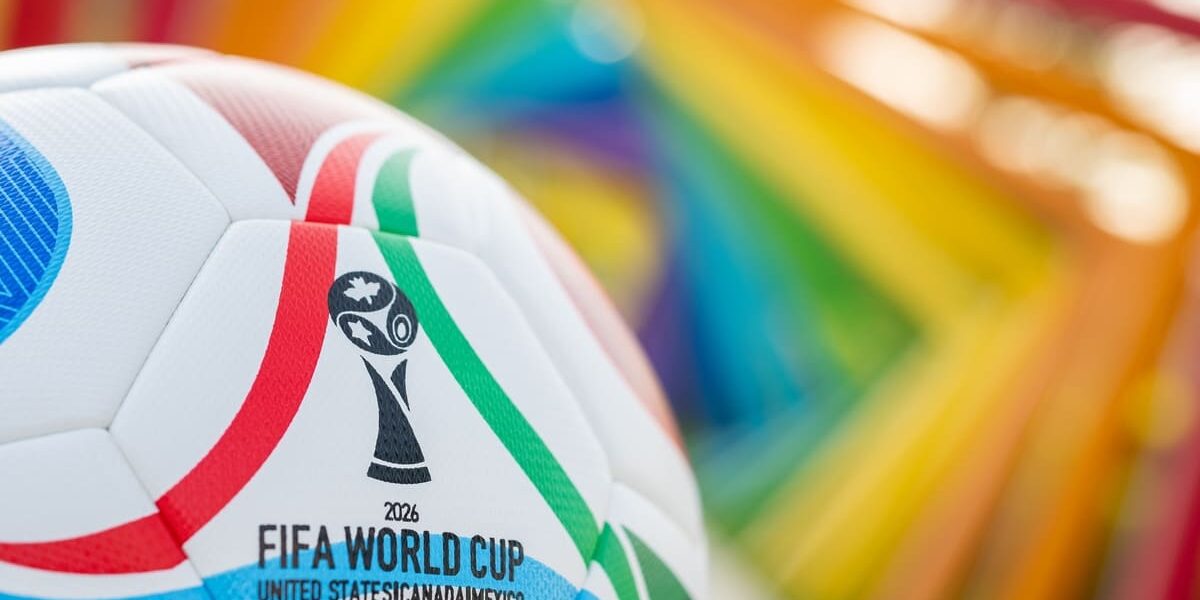
As the FIFA World Cup draws closer, employers across various sectors are being urged to brace themselves for a potential spike in absenteeism, commonly referred to as ‘sickies’. With the tournament scheduled to kick off in November, companies are making preparations to handle the impact on productivity. Analysts predict that the buzz surrounding the games, especially in countries with strong national teams, may lead many employees to take unscheduled leave to participate in festivities and watch matches.
Reports indicate that previous World Cups have witnessed increased incidents of employees calling in sick, leading businesses to take preemptive steps. Some organizations are adopting flexible working hours, while others are implementing “World Cup leave” policies to accommodate fans without disrupting operations unduly. Early surveys suggest that a significant portion of the workforce is already considering taking time off to partake in celebrations or watch the tournament with friends and family.
How the story got here
The phenomenon of employees taking ‘sick days’ during major sporting events is not new. Historical data from past World Cups reveals trends of heightened absenteeism amidst the excitement of the games. In 2018, for example, companies reported a noticeable increase in sick leave requests, particularly when national teams were playing key matches. This pattern has led to a growing concern among employers who are keen to ensure business continuity while respecting employees’ enthusiasm for the event.
The arrival of the tournament is intensifying due to heightened marketing and social media engagement surrounding the World Cup. Experts say that workplace culture is evolving; younger employees are increasingly vocal about their desire for a balance between work and personal passions. This shift has prompted employers to reconsider their leave policies. Offering tailored approaches or incentives for employees may mitigate the likelihood of widespread sick leave.
Furthermore, researchers argue that absenteeism, while detrimental to immediate productivity, can sometimes lead to increased morale and team bonding when managed correctly. Engaging in World Cup-related activities can foster a sense of community among employees, which businesses could harness to enhance team spirit.
Next expected developments
As the kickoff date approaches, it is expected that more companies will formulate strategies to handle potential absenteeism effectively. Some organizations may explore options such as remote working arrangements, allowing employees to participate in early matches while still contributing to their roles. Others might conduct employee surveys to gauge interest and plan accordingly.
Another anticipated milestone in this developing story is the increased dialogue around employee well-being. Firms will likely emphasize the importance of work-life balance, particularly in relation to significant cultural events like the World Cup. As HR departments develop frameworks to navigate this period, the conversation will likely extend beyond the tournament itself, potentially shaping future policies that cater to employee interests more dynamically.
Employers are entering a crucial period of adaptation as the world gears up for yet another exhilarating World Cup, and how they manage workforce expectations could redefine workplace culture for years to come.
Original Source: https://www.personneltoday.com/hr/employers-urged-to-prepare-for-sickies-during-world-cup/