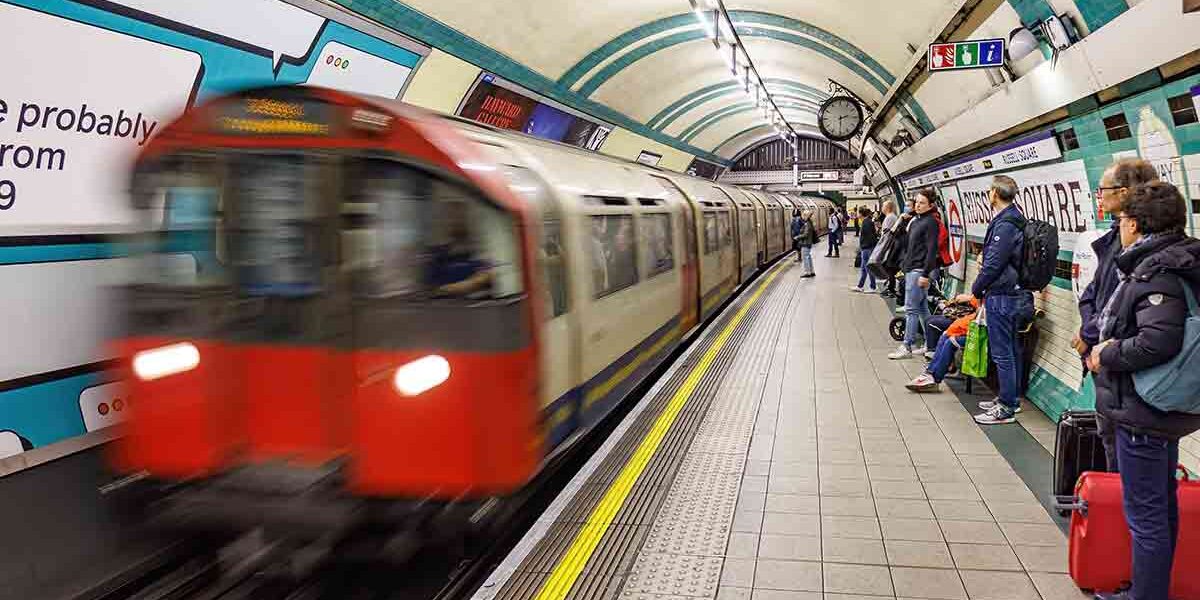
In a significant development for London commuters, the planned strike on the London Underground has been called off. This decision, announced by the Rail, Maritime and Transport (RMT) union, has brought immediate relief to thousands of daily travelers who rely on the Tube system for their journeys.
Key details
The RMT union initially proposed a strike in response to ongoing disputes over pay and working conditions amid rising living costs. The strike was set to disrupt services on several lines, creating potential chaos during a busy week of travel for those returning to work after the summer holidays. However, following a recent meeting with Transport for London (TfL) officials, the union has decided to temporarily suspend the strike action, citing progress in negotiations.
Both parties have expressed a willingness to continue the dialogue, indicating that while a resolution has not yet been reached, there is a renewed commitment to discuss vital issues affecting staff and operations. The union emphasized that the suspension of the strike does not signal an end to their campaign but rather a strategic pause to explore options that might lead to a favorable settlement.
Why this matters
The cancellation of the strike holds substantial implications for London’s transit system and its users. The Tube is a linchpin of the city’s public transport infrastructure, serving millions daily. Any significant disruption could cause cascading effects on road traffic, displacing commuters to buses and cars, which would risk aggravating congestion, already exacerbated by pandemic recovery challenges.
The decision also alleviates immediate fears around service reliability, offering commuters the stability they need, particularly during the busy morning and evening rush hours. While many Londoners are undoubtedly relieved, the situation may underline ongoing tensions between TfL and its workers, highlighting the broader backdrop of labor disputes seen not just in London but across various sectors in the UK.
Broader picture
This situation exemplifies the heightened climate of labor negotiations across the country as workers increasingly demand fair compensation and improved working conditions amidst mounting inflation and cost-of-living crises. The RMT’s decision to call off the strike might reflect a broader trend of unions cautiously navigating negotiations while aiming to retain public support and pressure on employers.
As London grapples with the challenge of modernizing its transport infrastructure and adapting to post-pandemic travel patterns, the dynamic between labor unions and management will continue to be essential. As discussions unfold, they could pave the way for transformative agreements—working conditions that not only address worker grievances but also ensure the long-term viability of public transport services.
In conclusion, while the temporary resolution of the strike may lead to short-term stability for the London Underground, it underscores the ongoing complexities within labor relations. The outcome of future negotiations carries implications not just for transport services but also as a reflection of the wider socio-economic environment in the UK.
Original Source: https://www.personneltoday.com/hr/london-underground-tube-strike-called-off/