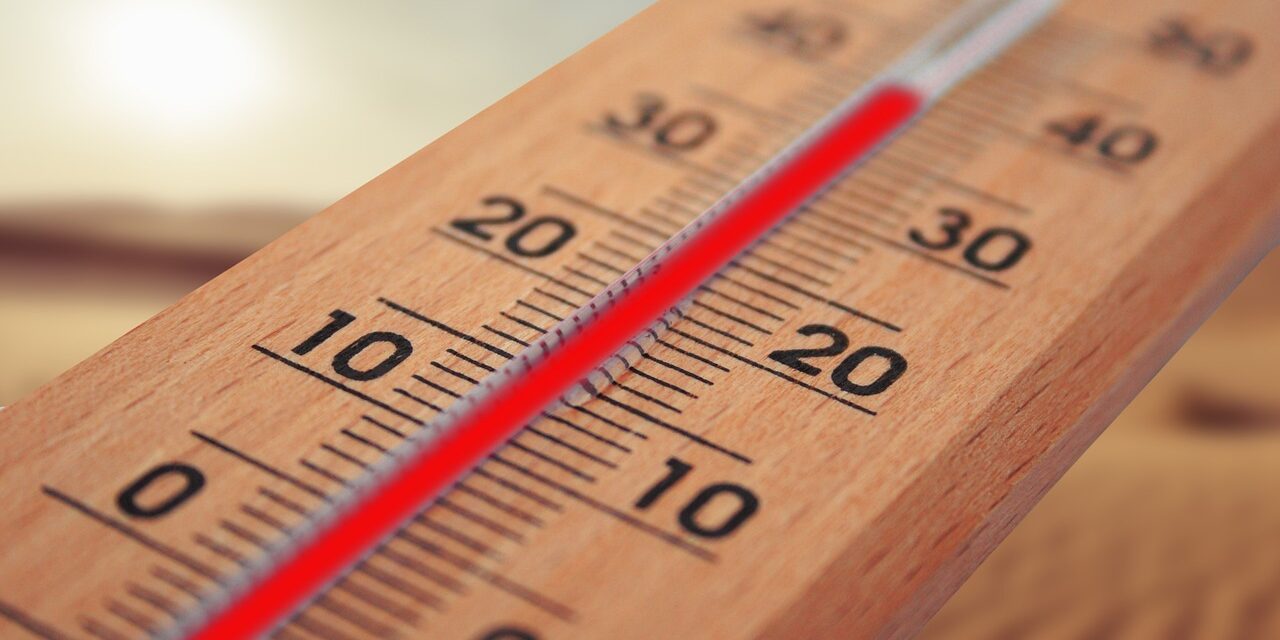
As extreme heat events become more frequent across the UK, climate advisers are emphasizing the urgent need to implement maximum workplace temperature regulations. Their appeal comes in response to soaring temperatures this summer, which have raised concerns about worker safety and productivity.
The latest turn
The latest reports indicate that the UK has experienced some of its highest summer temperatures on record. In urban areas, where heat tends to concentrate, workers in outdoor and non-air-conditioned environments have faced particularly harsh conditions. In response to these rising temperatures, the Institute of Occupational Safety and Health (IOSH) recently called for legislation that would establish maximum allowable temperatures in workplaces. Current workplace guidelines recommend a minimum temperature of 16 degrees Celsius, but there are no set maximums, leaving workers vulnerable to extreme heat stress.
IOSH’s recommendations come amid heightened public awareness of climate-related risks and their impact on everyday life. As employees return to physical work after lockdowns, the need to safeguard their health from environmental factors has become increasingly pressing. This not only pertains to outdoor laborers but also to indoor workers, who may have to endure stifling conditions in older buildings without adequate ventilation or cooling systems.
How the story got here
This call for maximum temperatures is the culmination of ongoing discussions about climate adaptation in the workplace. The transition to a warmer climate has already posed challenges to various industries, particularly those involving manual labor or extended hours in direct sunlight. Recent research indicates that prolonged exposure to high temperatures can lead to heat-related illnesses, decreased productivity, and even accidents due to heat impairment.
In 2021, a summer heatwave pushed temperatures above 40 degrees Celsius for the first time in the UK, prompting health officials to issue warnings about the risks of heat stress. This year, the trend has continued, with July recording numerous instances of heat-related distress among outdoor workers. These events have galvanized advocacy groups and labor organizations to push for a legislative framework that clearly outlines temperature regulations, citing examples from countries like Spain, which has already set a maximum working temperature at 27 degrees Celsius for certain labor-intensive occupations.
Next expected developments
As discussions progress, lawmakers and industry leaders are expected to engage in consultations to weigh the implications and feasibility of proposed temperature limits. The Health and Safety Executive (HSE) is likely to examine existing workplace safety regulations in light of the new climate realities. In the coming months, the IOSH plans to collaborate closely with government bodies to draft recommendations that would safeguard workers’ health and ensure that the workplace can adapt to future climate conditions.
With climate change only expected to intensify, the establishment of maximum workplace temperatures could become a crucial element in protecting employee well-being. Stakeholders await further developments, anticipating not only immediate policy recommendations but also long-term strategies to handle the growing challenges posed by climate change in the workforce.
Original Source: https://hrreview.co.uk/hr-news/wellbeing-news/climate-advisers-call-for-maximum-workplace-temperatures/387932