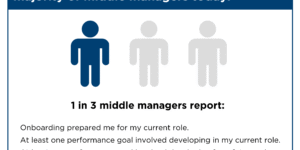
Recent studies reveal a critical issue affecting organizational growth—many middle managers find themselves plateauing in their careers, often struggling to ascend the corporate ladder. This trend raises urgent questions about the sustainability of leadership in various industries, leading experts to reexamine how companies nurture internal talent.
What happened
In a comprehensive survey conducted by a leading management consultancy, nearly 60% of middle managers reported feeling “stuck” in their roles, with less than 30% believing they would achieve upper management positions within their current organizations. This sentiment was amplified by insights from industry forums, where professionals shared anecdotes of stagnation, limited mentorship opportunities, and an ambiguous path to executive leadership.
Furthermore, a separate analysis echoed these findings, uncovering a gap in leadership development programs aimed at nurturing mid-level talent. Many organizations focus their resources on senior executives, leaving middle managers with minimal guidance or support to enhance their leadership capabilities. This oversight not only dampens morale among the middle ranks but is also detrimental to the overall health of organizations.
Why it matters
The implications of this leadership pipeline dilemma are profound. Companies risk losing valuable talent if middle managers—often the backbone of operational efficiency—feel undervalued and unsupported. The stagnation of these managers can lead to higher turnover rates as they seek advancement opportunities elsewhere. When a significant portion of the workforce is disengaged, organizational productivity may falter, negatively impacting overall performance.
Furthermore, the lack of upward mobility can create an organizational culture rife with frustration and uncertainty. Without a clear path for advancement, middle managers may withdraw or become less effective in their roles, ultimately resulting in a negative feedback loop that impedes innovation and responsiveness to market changes.
What comes next
To address this emerging leadership crisis, companies must reevaluate their talent development strategies. Immediate actions should include the establishment of mentorship initiatives that pair aspiring leaders with seasoned executives, creating structured pathways for career advancement. Additionally, organizations should consider implementing transparent performance evaluation systems that identify and support high-potential middle managers.
The next watchpoint is whether companies embrace these changes and prioritize the advancement of middle management. As workplace dynamics evolve and the demand for adaptable leadership increases, fostering a robust pipeline for emerging leaders will be paramount. Stakeholders will be closely monitoring organizations for signs of progress in tackling these unforeseen challenges in leadership development.
Original Source: https://hrexecutive.com/the-hidden-leadership-pipeline-problem-why-do-middle-managers-stop-advancing/