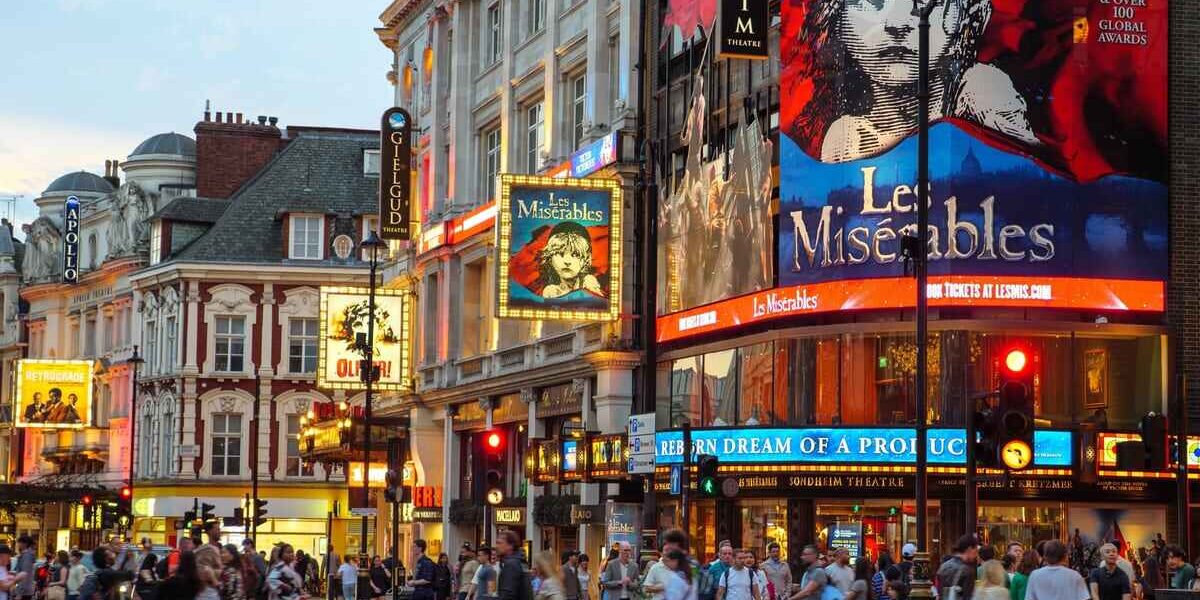
The West End of London, renowned for its vibrant theatre scene, is facing potential disruptions as workers across multiple sectors prepare for strikes. Following a series of escalating pay disputes and issues related to working conditions, unions representing actors, stagehands, and various other crew members have voted overwhelmingly in favor of industrial action, which could significantly affect performances throughout the summer months.
What happened
The movement towards strikes gained momentum after a year of intensifying financial pressures exacerbated by the pandemic. Many in the theatre industry feel that their pay does not align with the rising cost of living, leading to widespread discontent and negotiations that have stalled. The recent vote showed overwhelming support for strikes, with unions like Equity and the Stage Management Association calling for immediate action to pressurize producers and theatre owners into addressing these concerns.
As a result, the summer schedule for numerous productions hangs in the balance. Shows that were anticipated to draw large crowds may be canceled or postponed if the strikes proceed, causing ripples through the associated sectors, including hospitality and tourism, which benefit greatly from theatre-goers.
Why it matters
The implications of a strike in the West End extend far beyond the theatre community. Historically, this region of London has been a significant cultural and economic driver, attracting millions of visitors each year. The potential disruptions could lead to significant financial losses, not only for theatre companies but also for restaurants, hotels, and shops that cater to theatre audiences.
Moreover, the ramifications could provoke a larger conversation about the sustainability of artistic careers in the UK. If artists and crew members cannot secure fair compensation, it raises questions about the long-term viability of the industry and its ability to attract talent. Strikes would further spotlight the ongoing issues of workers’ rights and fair pay, resonating beyond theatre to other creative and service sectors, as well as setting a precedent for future negotiations.
What comes next
The immediate outlook hinges on the next round of negotiations between the unions and theatre producers. The unions are preparing to set specific strike dates but remain open to discussions aimed at reaching a satisfactory agreement. As the summer approaches, stakeholders in the theatre industry are hopeful that a resolution can be achieved to avoid disruptions.
However, if tensions remain high and negotiations continue to falter, audiences may find themselves facing an entirely different summer experience in the West End—one that bears no resemblance to the usual bustling theatre scene. With both sides attuned to the financial ramifications of potential strikes, the industry now enters a critical juncture where the outcome could reshape the future of theatre in London.
Original Source: https://www.personneltoday.com/hr/west-end-strike-theatre-saturday-equity-solt/