


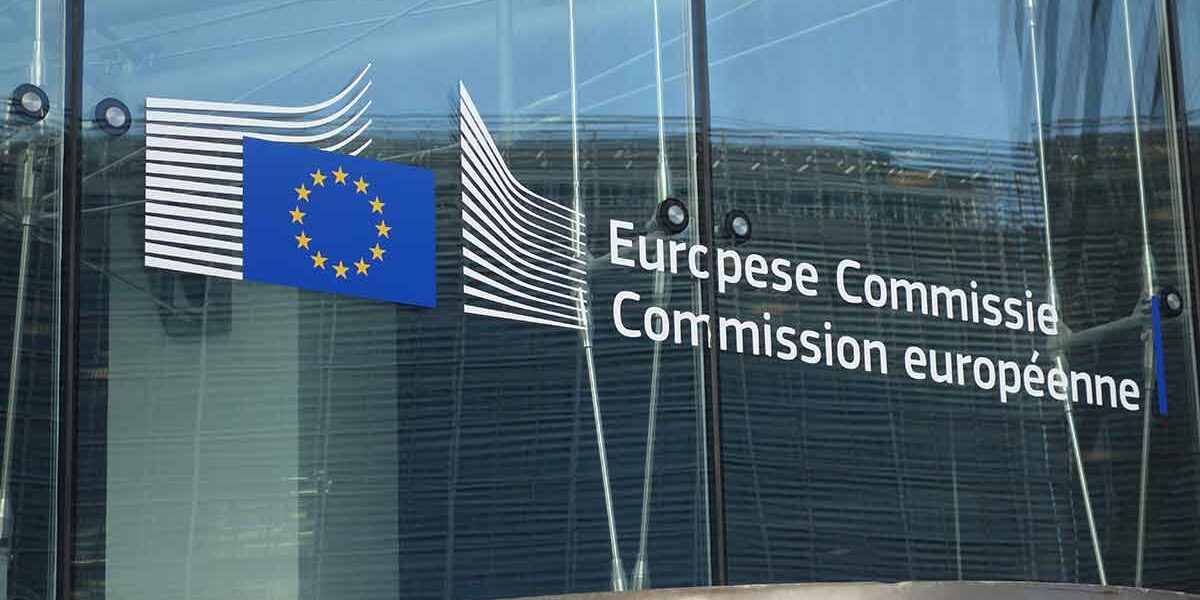
The European Union’s pay transparency directive, aimed at combating wage discrimination, faces substantial obstacles as most member states are poised to miss the implementation deadline. This imminent failure has stirred concerns among various stakeholders, including labor unions, businesses, and gender equality advocates. Each group is bracing for the potential repercussions of the legislation being postponed or inadequately enforced.
Immediate reaction
Labor unions have expressed their disappointment, emphasizing that the lack of compliance undermines the directive’s fundamental objective to promote equality in the workplace. Union representatives argue that delayed implementation could impede efforts to close wage gaps, particularly those driven by gender and ethnic disparities. In reaction, advocates for pay equity have ramped up pressure on governments, calling for swift action and accountability in addressing these issues.
Some businesses are cautiously optimistic, viewing the directive as an opportunity to enhance workplace transparency and attract talent. However, others worry about the administrative burden associated with complying with new reporting requirements. This concern is prevalent among small and medium-sized enterprises that may struggle to allocate resources for compliance efforts; many have voiced their apprehension about the potential economic impact of the directive during uncertain economic times.
What triggered the move
The pay transparency directive was created in response to longstanding wage discrepancies in the EU, where women earn, on average, 14.1% less than men. The initiative gained traction following pressures to hold companies accountable for pay practices. The European Commission launched the proposal as part of a broader agenda to improve gender equality and labor rights across the continent.
Despite its well-intentioned framework, many member states have encountered significant bureaucratic and political hurdles. Each country must adapt the guidelines to their own legal systems, which has resulted in slow progress. Political disagreements and competing national priorities have further complicated the timeline, leaving many wondering whether EU-wide standards can be effectively enforced.
Why readers should care
The implications of this stalled directive extend far beyond the immediate concerns of pay equity. The potential postponement or inadequate compliance raises questions about the EU’s commitment to promoting equality and could dilute the effectiveness of future initiatives aimed at improving labor rights. Economic consequences may ensue, particularly if businesses fail to adapt to heightened transparency, possibly leading to a talent drain as employees seek more equitable workplaces.
Furthermore, the lingering pay gaps pose a challenge to the EU’s broader economic ambitions, potentially stifling growth and stability in the long run. The public should remain vigilant about how these developments unfold, as they will undoubtedly influence discussions around labor rights, gender equality, and economic policy throughout the region. As we approach the deadline, the push for greater compliance will intensify, shaping the future dynamics of workplace equality in Europe.
Original Source: https://www.personneltoday.com/hr/most-member-states-will-miss-eu-pay-transparency-deadline/