The latest turn
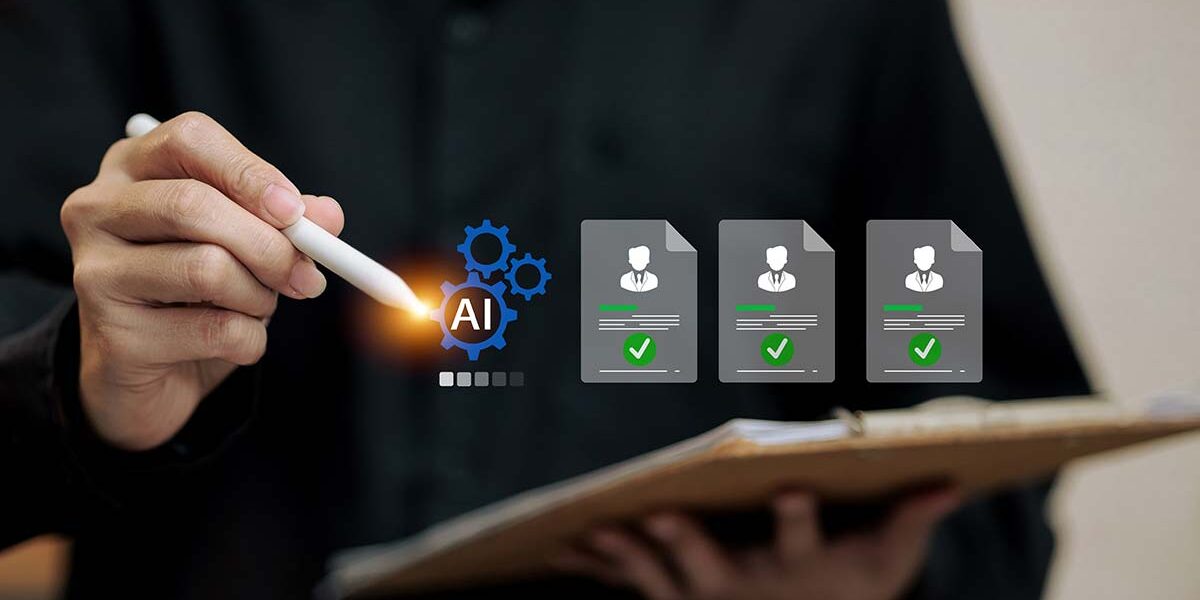
In a significant move aimed at promoting fairness in hiring practices, the UK’s Information Commissioner’s Office (ICO) has called on recruiters to reevaluate their use of automated decision-making tools. This announcement comes in the wake of growing concerns regarding the potential bias inherent in algorithms utilized during the recruitment process. The ICO’s guidance highlights the necessity for transparency and accountability, urging companies to assess their tools carefully to ensure they align with principles of fairness and do not inadvertently discriminate against any candidates.
Data from various studies has shown a troubling trend: algorithms can replicate existing biases seen in historical hiring practices, leading to unequal opportunities for applicants from diverse backgrounds. The ICO’s call to action places a spotlight on the ethical implications of using AI in recruitment, emphasizing that automated systems should not replace critical human judgment in evaluating candidates. Companies are now urged to provide clear documentation and to be open about how these automated systems make decisions that affect people’s livelihoods.
How the story got here
The controversy surrounding automated recruitment tools has been brewing for several years, particularly as businesses increasingly turn to technology to streamline hiring processes. While proponents argue that these systems can enhance efficiency and reduce hiring costs, critics have warned about the lack of oversight and potential for inherent biases. Instances have emerged where AI-driven tools have favored certain demographics over others, raising questions about equity in hiring practices.
The ICO’s previous guidelines had already signposted the importance of data protection and the fair treatment of individuals, but recent cases have pushed the topic to the forefront. A series of media reports regarding discriminatory hiring algorithms has sparked public outrage, prompting the ICO to reinforce its position. In recent months, organizations have begun reassessing their automated recruitment systems, with many seeking expert analyses on how to modify or enhance these tools to align with regulations and ethical standards.
Next expected developments
Looking ahead, the ICO’s recent guidance is likely to initiate a wider dialogue across the recruitment industry regarding the role of technology in hiring. Companies can expect to face increasing scrutiny from both regulators and potential candidates about their use of automated tools. This could lead to the development of industry best practices aimed at curbing bias, promoting transparency, and ensuring that job applicants are evaluated fairly.
Furthermore, it is anticipated that the ICO may release additional frameworks or conduct consultations with stakeholders to refine their recommendations. This could pave the way for new regulations surrounding automated decision-making in recruitment, creating a more equitable landscape for job seekers. As organizations adapt to this changing environment, how they respond to the ICO’s calls for reassessment will be crucial in shaping the future of hiring practices in the UK and potentially beyond.
Original Source: https://www.personneltoday.com/hr/automated-decisions-in-recruitment-ico-report-consultation/