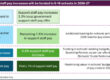
NHS organizations are urging the new Health Secretary, Steve Barclay, to reconsider the ambitious 10-year workforce plan aimed at addressing workforce shortages and improving patient care. This call comes at a critical time as the healthcare system grapples with unprecedented challenges following the COVID-19 pandemic.
Background and context
The National Health Service (NHS) has long faced staffing shortages, a situation exacerbated by the pandemic. Reports indicate that over 130,000 positions remain unfilled across the country, impacting service delivery. The 10-year workforce plan, initially announced in 2022, aims to recruit and retain more healthcare professionals, including doctors, nurses, and allied health staff. It is part of a broader strategy to ensure that the NHS can deliver high-quality care to an aging population with increasingly complex health needs.
However, critics argue that the plan may be overly ambitious and fails to address immediate staffing crises. NHS leaders emphasize that while strategic planning is essential, the precarious state of current services necessitates immediate action rather than long-term visions. The new Health Secretary’s approach to this issue will be pivotal in shaping the future of NHS staffing.
Latest developments
In recent discussions, key NHS groups, including the Royal College of Nursing and the British Medical Association, have expressed their concerns regarding the proposed 10-year workforce strategy. They have called for a pause on the plan to enable a comprehensive review of staffing needs and a more immediate response to ongoing crises in hospitals and clinics.
Union representatives have stressed that the plan lacks clear pathways for increasing the workforce in a timely manner and fails to account for the immediate pressures faced by NHS staff. Nursing staff, in particular, have cited burnout and high turnover rates as critical issues that need addressing before long-term strategies can be effectively implemented.
Health Secretary Steve Barclay has acknowledged the importance of workforce planning but has yet to publicly commit to pausing the plan. Instead, he emphasizes the need to build upon existing frameworks and reassess the strategy in light of the latest data regarding patient care demands and staff welfare.
What to watch next
The debate over the workforce plan is likely to escalate during the upcoming parliamentary session, with NHS leaders and health unions expected to lobby heavily for immediate action. The health and social care select committee will also hold discussions on the subject, during which potential revisions to the workforce plan may be proposed.
As the healthcare discourse grows, attention will focus on how the government responds to mounting pressures from NHS stakeholders. The outcome of these discussions may not only alter the trajectory of workforce planning but could also impact public confidence in the NHS as it attempts to recover from the strains introduced by the pandemic.
Ultimately, the path forward will depend on balancing the urgent need for staffing solutions with the broader strategic vision that the 10-year workforce plan represents. How Health Secretary Barclay manages these competing demands will be crucial for the future of the NHS.
Original Source: https://www.personneltoday.com/hr/nhs-groups-urge-new-health-secretary-to-pause-10-year-workforce-plan/