Key details
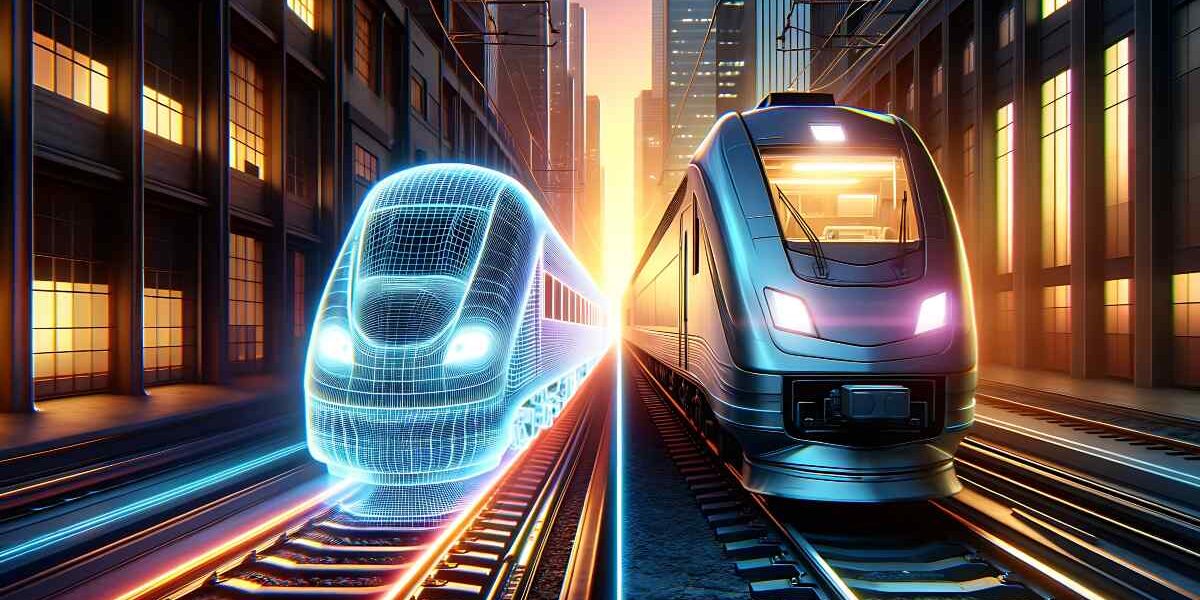
Researchers at the Massachusetts Institute of Technology (MIT) have developed a new human resources tool aimed at preparing companies for the rise of digital twins in the workforce. Digital twins—virtual replicas of physical entities—have gained traction across various sectors, from manufacturing to healthcare. The newly designed HR tool leverages artificial intelligence to simulate employee performance and engagement in real-time. This innovation is significant as it allows companies to optimize human capital management by closely analyzing how digital twins might interact with human employees in different work scenarios.
The tool primarily integrates data analytics with personnel management systems, enabling businesses to foresee how changes in work processes may affect employee productivity and morale. By employing machine learning algorithms, this HR tool can generate predictive models that help organizations make informed decisions about workforce structure, training needs, and resource allocation.
Why this matters
The introduction of this HR tool gains importance in the context of an increasingly digital workforce. As industries adopt digital twins for everything from product development to operational efficiency, there is a pressing need for companies to ensure that their human resources are effectively aligned with these technological advancements. This alignment is crucial not only for maintaining productivity but also for fostering a positive workplace culture in which human employees feel valued.
Nationwide, workforce dynamics are increasingly influenced by technological change; thus, organizations must not only adapt their processes but also invest in tools that can mitigate the potential challenges posed by integrating AI and virtual replicas into everyday operations. By predicting various outcomes and continuously optimizing the work environment, such HR solutions can play a pivotal role in enhancing both employee satisfaction and overall company performance.
Broader picture
As industries continue to evolve, the implementation of digital twins is expected to expand, reshaping not just organizational structures but also the nature of work itself. The capability to create digital replicas of human resources will allow companies to experiment with new models of work without risking disruption to their current systems. The broader implication is that workforce management could eventually transform into a deeply data-driven endeavor where HR tools evolve into predictive and prescriptive systems.
In light of these advancements, organizations must recognize the potential of digital twins and related HR tools to enhance their operational strategies. However, while these technologies offer significant benefits, there remains an inherent challenge: ensuring that human workers are adequately supported as they transition into environments increasingly defined by digital counterparts. This dual focus on human and technological integration will ultimately determine the success of businesses in the coming era.
With the emergence of tools like the one developed at MIT, the dialogue around the future of work, employee engagement, and organizational effectiveness has never been more pertinent. Understanding how to navigate the complexities of human-technology collaboration will be essential for organizations aiming to thrive in an increasingly digital landscape.
Original Source: https://www.personneltoday.com/hr/scientists-build-hr-tool-to-prepare-for-digital-twins/