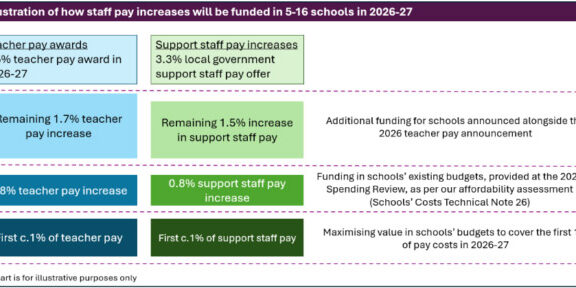
As discussions about teacher pay rises intensify, many schools are expressing concern over the potential funding squeeze that could follow. With various state and federal initiatives aimed at increasing educators’ salaries, the implications for school budgets and educational quality have become a pressing issue for administrators and communities alike.
Key details
The current landscape for teacher compensation is at a pivotal moment, as rising living costs and inflation have prompted calls for increased pay for educators. Many states are proposing salary hikes, aiming to attract and retain qualified professionals in a field that faces ongoing challenges, including workforce shortages. However, these proposals come at a time when many schools are already stretched thin financially.
According to a recent report from the National Education Association (NEA), over half of the nation’s school districts currently operate with deficits. As financial pressures mount, school officials worry that elevating pay without guaranteed funding from state or federal sources could lead to significant budget cuts in other areas, including instructional materials and support services.
Why this matters
The struggle for adequate teacher pay is not merely an issue of compensation; it affects the quality of education. A well-compensated teaching staff is essential for providing a stable learning environment. Teachers are pivotal in shaping students’ futures, and their job satisfaction and retention directly correlate with the resources and outcomes that schools can offer.
Moreover, if funding for teacher pay rises leads to reductions in school programs or layoffs of support staff, the broader impacts may disproportionately affect lower-income districts, which often lack the financial cushion to absorb such shocks. This could exacerbate existing inequities in education, creating a wider gap between well-funded schools and those that struggle to meet basic needs.
Broader picture
The current debate around teacher salaries reflects larger systemic issues within the American educational landscape. Funding for schools is predominantly reliant on local property taxes, resulting in significant disparities based on geographic and economic factors. Even as policymakers advocate for increased wages to combat teacher shortages, the lack of a consistent and equitable funding strategy poses a fundamental challenge.
Furthermore, education funding is often one of the first areas to see cuts during economic downturns, leaving schools vulnerable to shifting political priorities. This precariousness makes the conversation about teacher pay not just a matter of financial fairness but also one of ensuring sustainable educational practices that benefit all students.
In conclusion, the push for teacher pay rises arrives at a critical juncture. While addressing compensation is essential for improving teacher morale and retention, the potential trade-offs in school funding warrant careful consideration. Without a durable solution to educational funding that prioritizes both salaries and essential school resources, the risk of undermining the very goals that these pay increases seek to achieve becomes all too real.
Original Source: https://www.personneltoday.com/hr/schools-fear-funding-squeeze-for-teachers-pay-rise/