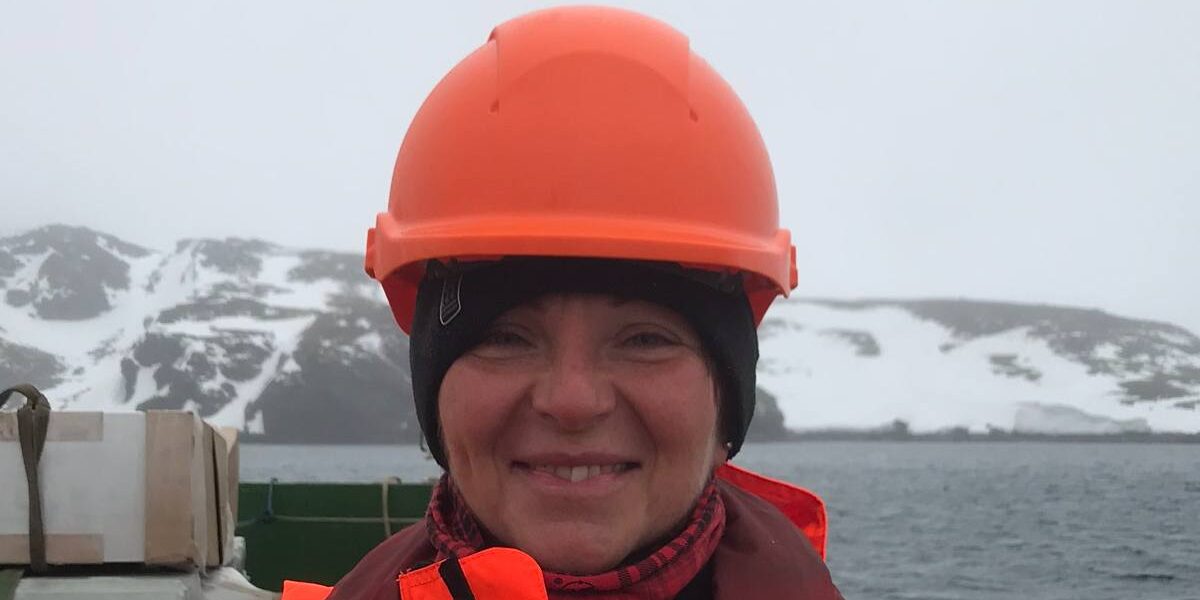
At the planet’s bottom, where temperatures drop to unimaginable lows and sunlight is an elusive guest, people management assumes a new meaning. The vast white loneliness of Antarctica commands a unique combination of adaptability, resilience, and mental strength. The role of human resource managers in this hostile environment leaves little or no room for traditional duty descriptions; it’s more of a survival strategy itself.
An isolated scientific outpost like the British Antarctic Survey (BAS) or the South Pole Station operated by the US National Science Foundation presents HR challenges that are as extraordinary as the environment. Antarctica is not an ordinary jobsite, nor are its inhabitants regular employees. Thus, the HR strategies implemented here are a testament to human adaptability under extreme conditions.
The international workforce serving in Antarctica includes scientists, engineers, chefs, mechanics, plumbers, electricians, field guides, and station support staff. However, their survival is dependent not just on their professional capabilities, but their ability to adapt to the solitude, confinement, and unforgiving weather conditions.
“Recruitment is a rigorous process. We look for professional competence but the deciding factor is resilience – physical, emotional, and mental,” says Lucy D, head of HR at the BAS. Antarctic employees are selected from hundreds of applications after several rounds of interviews, psychometric evaluations, and medical tests.
Once at their station, they have to live and work there for periods ranging from five months (the summer season) to over a year (for winter-overs). During the dark, cold winter months, they are completely cut off from the rest of the world, with no incoming or outgoing transportation due to severe weather conditions. “Our people are our biggest asset, their safety, well-being, and smooth interpersonal relations are our top priority,” Lucy adds.
Teamwork and cooperation are vital but with limited resources and personal space, conflict resolution capabilities become a necessary survival tool. The inability to ‘go home’ at the end of the workday and the lack of site rotation add another layer of complexity to people management in the Antarctic.
“People don’t leave their jobs, they leave their managers,” one anonymous worker shared on an online forum. Employee engagement and retention in typical office environments often come down to management practices. In Antarctica, this theory is pushed to the extreme.
On-site HR personnel often take on multiple roles – manager, mentor, mediator, and sometimes even a mental health consultant. Regular training sessions – including team conflict management and winter survival skills – and structured communication channels become critical pillars of the HR strategy.
Technology has certainly eased some of the challenges. The ability to maintain regular contact with loved ones back home via internet or satellite phone has boosted morale. For HR professionals though, it also means dealing with issues such as internet misuse and fostering a culture where personal and work spaces can coexist.
Adapting to this wilderness also involves developing an acute sensitivity towards the environment. Employing sustainable practices and reducing waste generation is critical. From minimizing food waste to the disposal of human waste, every action has to take into account its impact on the pristine ice.
“In the Antarctic, we are not just managers, but caretakers,” states Lucy, “Care for the land, care for the people, and a care for the future.”
As we grapple with the effects of climate change and explore remote places for research or even tourism, there would be much to learn from the extreme people management practises in Antarctica. How to live well, work well, and survive in isolation are lessons of relevance now, more than ever as societies around the world face the challenges of pandemic-driven lockdowns and distancing norms. Antarctica’s HR is the perfect iceberg to explore underneath.
Original Source: https://www.personneltoday.com/hr/hr-british-antarctic-survey/