In a sobering development for medical students across the country, resident doctors are losing their training placements due to an ongoing strike that refuses to die down. The resident doctors decline to suspend their industrial action, resulting in the unfortunate loss of crucial hands-on training that shapes their future careers. The strike’s core reason revolves around the doctors’ demand for better working conditions, top-quality training, further profound recognition, and enhanced remunerations.
Launched nearly seven weeks ago, the strike has crippled several healthcare services, leading to a backlog of deferred surgeries and appointments, straining an already stressed health system. However, the consequential loss of training places paints a threatening picture for the countries long-term health outlook.
The Association of Resident Doctors (ARD), the group leading the strike, emphasized their demands are reasonable and their fight for better conditions won’t stop until the government takes necessary action. The ARD has seen epochs of distress before, making this battle a critical turning point for them.
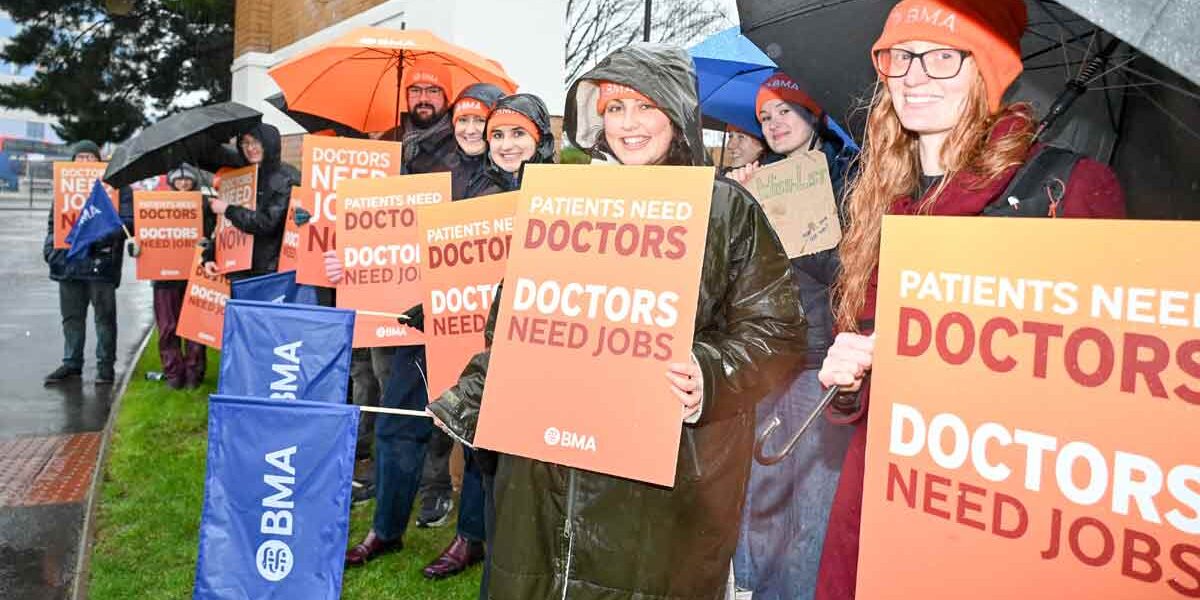
According to recent updates echoed on various digital platforms such as Twitter, Facebook, and Instagram, resident doctors are venturing out of the hospitals to stage protests. They believe their drastic actions are exposing the persistent underlying issues plaguing the healthcare system, including understaffing, incompetence, poor infrastructures, inadequate funding, and a demoralized workforce.
Gaining significant attention worldwide, popular news outlets such as BBC News and CNN are recognizing the issue’s far-reaching implications. The prevailing volatility has sparked debates about healthcare systems, policy, and management, opening the floor to discuss critical healthcare flaws visibly and collectively. As the strike continues, the outpouring of public sentiment has been a mix of concern for the doctors’ welfare and fear regarding how this stalemate will affect the public’s access to quality healthcare services.
Despite bold headlines, emotive images, and potent calls on social media platforms for collective action, the strike shows no concrete signs of ending soon. With neither side willing to back down, the deadlock has resulted in a freeze of placements for current resident doctors.
While the strike continues to question the authorities’ competency, it is drastically tearing apart the lives of its ‘foot soldiers’ – the resident doctors. These individuals, who are at the foundation of healthcare delivery, acting as the first line of contact for patients, are now losing opportunities to learn, grow, and serve due to this standoff. Experts are warning that this depletion of training could have dire long-term effects on the country’s healthcare system.
The magnitude of this loss, both in tangible and intangible terms, needs further prodding. As reported in domestic and international media outlets, the loss of training has generated concerns for patient safety and welfare. In a recent survey conducted by the Resident Doctors’ Association, the majority of the doctors admitted that the loss of training places would negatively affect their confidence and efficiency, directly impacting the quality of patient care.
Simultaneously, the government maintains its stance that all grievances will be addressed systematically and progressively. However, resident doctors argue that such promises have been made repeatedly over the years, with minimal actual change. They insist on immediate, tangible actions as opposed to promises alone.
Balancing the immediate need for medical services and advocating for the legitimate rights of healthcare professionals presents a complex challenge that requires an urgent,workable solution. While stakeholders must address and fix the problems for a sustainable healthcare system, they must also ensure that those on the front lines are not disproportionately paying the price.
As the doctors continue their protests, a significant resolution remains elusive, and the implications of the strike extend far beyond the immediate disruption of medical services. All eyes are now on the government to take swift action and negotiate a resolution with the resident doctors; meanwhile, the precarious state of healthcare hangs in the balance.
Original Source: https://www.personneltoday.com/hr/resident-doctors-lose-training-places-after-failing-to-call-off-strike/