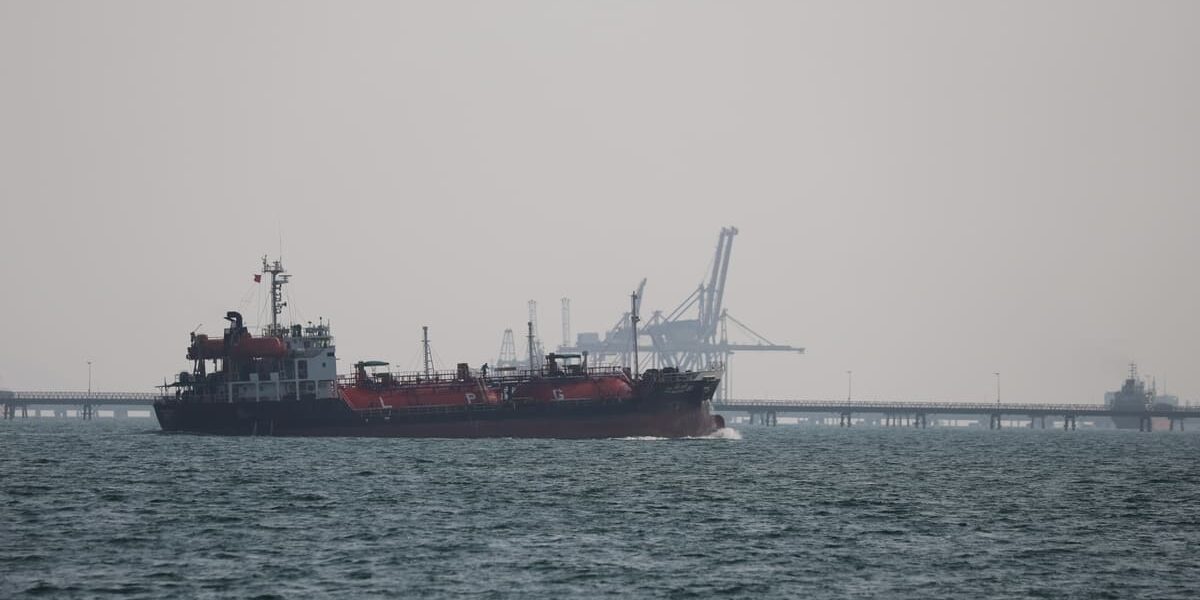
Latest developments
The plight of seafarers in the Persian Gulf has garnered renewed attention in recent months as reports of exploitation and labor violations continue to surface. Tasked with managing a vital supply chain, these maritime workers face increasingly precarious conditions due to loopholes in international labor regulations. Recent media coverage highlights instances of wage theft, unsanitary living conditions, and lengthy contracts that leave workers feeling trapped.
Moreover, the COVID-19 pandemic has exacerbated these issues, making repatriation for distressed workers even more challenging. Efforts by various maritime unions and human rights organizations to advocate for these individuals have intensified. However, their calls for regulatory reform have yet to yield significant changes, leaving many seafarers in a state of uncertainty.
Background and context
Seafarers play a crucial role in global trade, yet they often find themselves at the mercy of an industry characterized by complex regulations and varying enforcement standards. The International Maritime Organization (IMO) has established protocols aimed at safeguarding the welfare of maritime workers, yet implementation and compliance remain weak in many countries, particularly in the Gulf region.
The Persian Gulf, a strategic hub for oil and gas shipping, attracts numerous shipping companies that frequently exploit the existing regulatory loopholes. Many vessels flying flags from nations with lenient labor laws create an environment ripe for abuse, making it difficult for seafarers to seek help when faced with exploitation.
In addition, many seafarers sign contracts that appear to offer good pay and reasonable working conditions. However, as soon as they embark on their voyages, they find themselves bound to long working hours and meager wages, often compounded by the threat of job loss if they speak out against their employers. The inability to easily return home further complicates their situation.
What to watch next
<pLooking ahead, key stakeholders must come together to address the systemic failures impacting seafarers. Maritime unions are advocating for stricter enforcement of existing labor laws as well as the establishment of new international standards that genuinely protect the rights of seafarers. The upcoming global maritime conferences will serve as crucial platforms for dialogue on these issues.
Additionally, the international community is increasingly recognizing the importance of maritime labor issues, particularly in light of the pandemic. Countries that depend heavily on seafarers for economic stability may face pressure to reform labor practices to ensure the welfare of this hidden workforce.
The ongoing challenge will be transforming awareness into actionable change. Seafarers are essential to the flow of goods and services across the globe, yet their working conditions often remain invisible. Unless fundamental reforms are implemented, the cycle of exploitation may continue, leaving vulnerable workers trapped in a system that fails to protect them.
Original Source: https://www.personneltoday.com/hr/how-employment-rules-are-failing-seafarers-trapped-in-the-persian-gulf/