Latest developments
Recent analyses have unveiled projections that could dramatically reshape our understanding of the global workforce by the year 2100. This research highlights not only demographic shifts but also the technological advancements and policy decisions that will influence employment landscapes across varied sectors. As nations grapple with the implications of aging populations and evolving labor needs, these findings serve as a pivotal resource for governments, businesses, and workers alike to prepare for a new economic reality.
The study, which involved a comprehensive review of demographic trends, labor patterns, and automation impacts, forecasts a transformation in job availability and types. Key findings indicate that while traditional jobs may diminish due to automation, new opportunities will emerge in sectors such as healthcare, renewable energy, and digital technology. Moreover, the global workforce is expected to see a significant rise in the proportion of skilled workers, emphasizing the need for robust education and upskilling initiatives.
Background and context
To understand the implications of this research, it is essential to consider the dynamic changes that have occurred over recent decades. The workforce has already been affected by globalization, technological innovation, and shifting economic priorities. As countries have embraced digital transformation, the demand for tech-savvy employees has expanded radically, influencing educational systems and career trajectories.
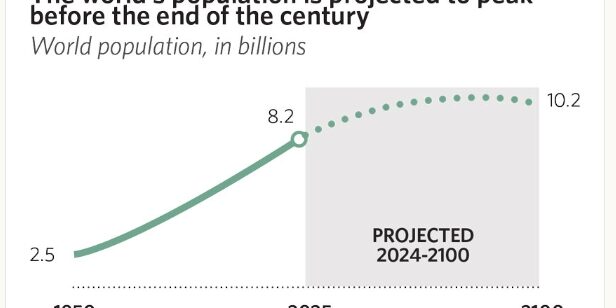
Moreover, demographic trends reveal a significant aging population. By 2100, it is projected that many developed nations will have a higher percentage of seniors compared to younger demographics. This shift poses challenges for pension systems and healthcare services but also presents opportunities to leverage the wisdom and experience of older workers. Meanwhile, developing countries are expected to experience a youth bulge, potentially fostering innovation and entrepreneurial endeavors if adequately supported.
In addition, globalization has accelerated the interconnectedness of labor markets, leading to diverse job trends but also increased competition. As emerging economies continue to develop, the global job landscape will become even more complex.
What to watch next
Looking ahead, several key trends will be critical to monitoring as the workforce evolves into 2100. Policymakers must ensure that educational systems align with future labor market needs, focusing on STEM education and skills development that correlate with emerging industries. Lifelong learning will become paramount as workers are required to adapt continuously in a fast-changing job environment.
Sustainable practices will also likely reshape industries, driving demand for green jobs that align with global efforts to combat climate change. Furthermore, the integration of artificial intelligence and automation in various sectors will necessitate new frameworks for labor rights and worker protections, as the nature of work itself will continue to change.
The recently released research serves as a clarion call for stakeholders at all levels to acknowledge and engage with these impending changes. As the groundwork for the future workforce is laid today, the decisions made in the coming years will have lasting implications on the global economy and societal structures well into the next century.
Original Source: https://hrexecutive.com/this-is-what-the-global-workforce-will-look-like-by-2100-according-to-new-research/