What happened
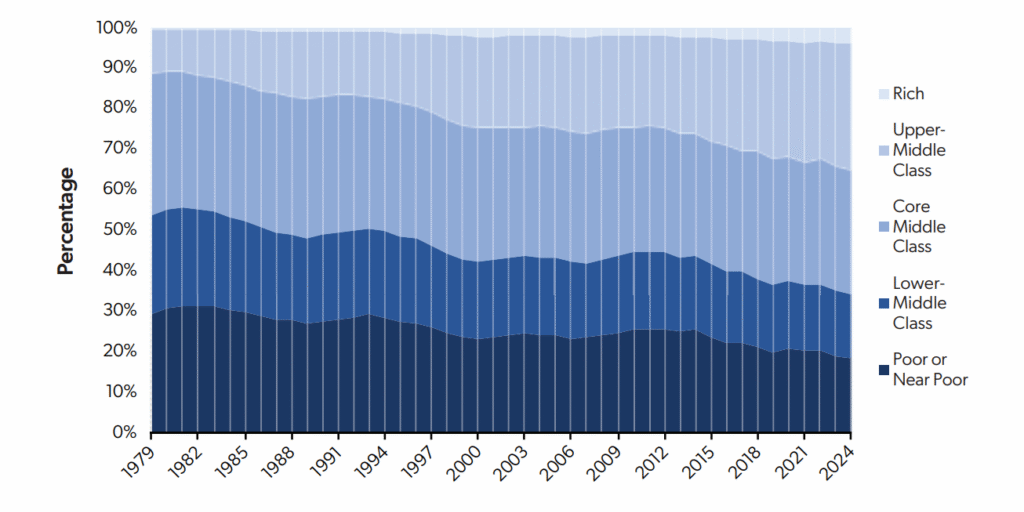
Over the past decade, the American upper-middle class has experienced a significant boom, with growth marked by rising incomes and increasing educational attainment. According to a recent report from the Brookings Institution, approximately 29% of U.S. households fall into this income bracket, up from 25% in the late 1990s. Factors contributing to this upward trend include technological advancements, a booming economy in certain sectors, and increased access to higher education. This demographic shift not only alters the economic landscape but also brings forth a unique set of employment dynamics that Human Resources (HR) departments must navigate.
What it means for readers
For readers, particularly those in or aspiring to the upper-middle class, this shift influences workplace expectations and the overall employment climate. Workers are increasingly seeking roles that not only offer competitive salaries but also emphasize work-life balance, professional development, and meaningful engagement. Employers face growing pressure to adapt their HR strategies to attract and retain talent from this savvy demographic.
Moreover, businesses that recognize and respond to the desires of this group may enjoy benefits far beyond improved employee satisfaction. Companies that foster a supportive workplace culture and invest in employee growth can expect reduced turnover and enhanced productivity. This leads to a more stable workforce and, ultimately, better organizational performance.
What happens now
As HR professionals face the challenges of this shifting demographic landscape, several actionable strategies can be employed. First, companies should conduct thorough compensation analyses to ensure that salaries and benefits are competitive and aligned with the demands of upper-middle-class employees. Moreover, a focus on creating flexible work environments, including remote work options and flexible schedules, can significantly enhance job satisfaction.
In addition to compensation and flexibility, employers should prioritize employee development programs. Offering continued education opportunities, mentorship initiatives, and clear career progression paths will engage upper-middle-class workers who prioritize personal and professional growth. HR can also enhance workplace culture by implementing employee feedback mechanisms, creating avenues for open communication, and nurturing a sense of belonging.
Ultimately, the rise of the upper-middle class presents HR departments with both opportunities and challenges. Companies willing to adapt and innovate in response to new employee expectations will not only thrive but also contribute positively to the overall economy. Embracing this shift is essential: organizations that make strategic adjustments now are likely to lead in talent acquisition and retention in the years to come.
For HR professionals, this is a call to action—to embrace the changing landscape and implement forward-thinking practices that meet the evolving needs of today’s workforce. The key takeaway is clear: adapting to the trends of the upper-middle class can enhance organizational success and employee satisfaction.
Original Source: https://hrexecutive.com/how-hr-can-build-on-americans-upper-middle-class-boom/