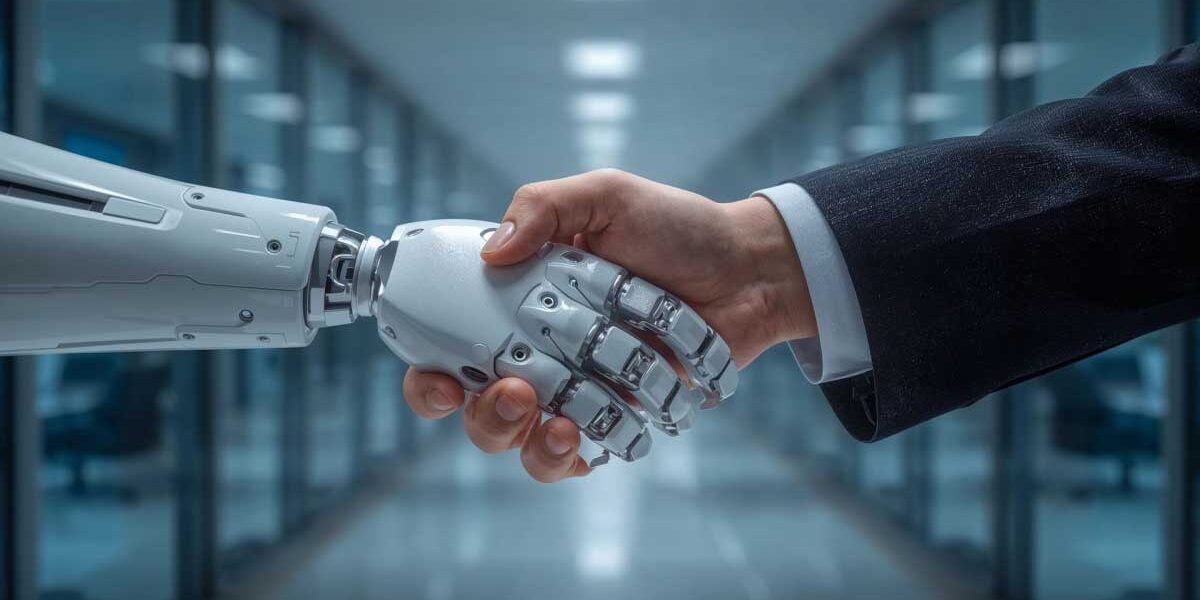
The staffing industry is on the cusp of significant transformation as eight key forces converge, signaling profound changes in how frontline work is approached by 2026. The latest data suggests that a combination of advanced technologies and evolving workforce dynamics is forcing companies to reevaluate their staffing strategies, with artificial intelligence (AI) being at the forefront of this shift.
What happened
In recent months, organizations across various sectors have started integrating AI-driven recruitment tools, optimizing the way candidates are sourced and evaluated. This technology not only streamlines the hiring process but also helps to eliminate bias and enhance diversity in the workforce. Its rapid adoption indicates a critical turning point for staffing agencies and companies alike, as they grapple with the implications of machine learning in decision-making processes.
Simultaneously, the demand for frontline workers is rising, particularly in industries such as retail, healthcare, and logistics. Companies are struggling to fill positions due to ongoing skill shortages and changing workforce demographics. Employees now seek roles that align with their values and offer flexibility, leading to an increased emphasis on trust-building measures between employers and workers. This shift has made creating a positive workplace culture paramount for attracting and retaining talent.
Why it matters
The intersection of AI and workforce dynamics is creating a new playing field. With technology reshaping traditional hiring and management practices, organizations must navigate the complexities of worker expectations while leveraging new tools effectively. The ability to foster a sense of trust is more critical than ever. As workers continue to prioritize transparency, companies that fail to build authentic relationships may find themselves at a disadvantage.
Additionally, there is a growing focus on employee well-being. Frontline workers, who often face challenging conditions, now expect employers to prioritize mental health resources and physical safety as core components of their roles. As businesses adapt to these demands, areas like job satisfaction, retention rates, and productivity will be directly affected. Monitoring these outcomes will be essential for organizations aiming to thrive amid these changes.
What comes next
As we look toward 2026, the landscape of staffing will continue to evolve. Organizations will need to become adept at balancing AI technology with human-centric practices. Success will hinge on navigating complex human factors while successfully integrating automation in hiring processes.
The next watchpoint will be how companies measure the impact of these changes on workforce engagement and overall performance. With AI making strides in various sectors, it will be crucial to assess not just efficiency, but the quality of the employee experience. As businesses embrace this new era, ongoing dialogue around trust, transparency, and support will shape the future of frontline work and staffing strategies moving forward.
Original Source: https://www.personneltoday.com/hr/eight-forces-shaping-staffing-in-2026-ai-trust-and-the-future-of-frontline-work/