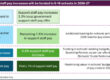



The ongoing fears surrounding a potential conflict involving Iran are influencing the hiring practices across the UK, resulting in a significant uptick in the usage of temporary workers. As businesses face uncertainty, many are opting for a flexible workforce to navigate the turbulent economic climate.
Latest developments
Recent reports indicate a notable rise in the employment of temporary staff, driven largely by heightened tensions in the Middle East and their implications for the UK economy. Some economists believe that the potential for conflict could lead to increased volatility in global markets, prompting businesses to adopt cautious hiring strategies. In the past few months, sectors such as retail and logistics have particularly seen this trend, as companies prioritize flexibility over long-term commitments.
Moreover, data from recruitment agencies shows a marked increase in the number of temporary job postings, suggesting that employers are hedging against future uncertainties by avoiding permanent contracts. This shift allows companies to adapt more readily to changing market conditions without the long-term financial obligations that come with hiring full-time staff.
Background and context
The geopolitical climate has long been a factor in the business landscape in the UK. Historically, conflicts and tensions in regions such as the Middle East have spurred caution among employers, prompting shifts in hiring practices. The Labour Market Overview for the UK indicates that the percentage of temporary employees has already increased by approximately 15% since the beginning of the year, reflecting the cautious approach many firms are adopting amidst these fears.
The rise of temporary employment is not solely a reaction to international issues; it is also driven by changes in consumer behavior. The UK has experienced shifts towards e-commerce and online services, which require flexible labor arrangements to meet fluctuating demand. However, the additional layer of global uncertainty related to potential military actions in Iran has compounded these trends, leading businesses across various sectors to reconsider their workforce strategies.
What to watch next
As the situation surrounding Iran develops, experts are advising businesses to remain vigilant. The potential for escalated conflict remains a significant concern, and how the geopolitical landscape evolves will undoubtedly continue to influence hiring practices. Stakeholders will be closely monitoring government responses and international relations, along with any economic impact that may arise from these tensions.
Furthermore, as temporary employment becomes increasingly prevalent, questions surrounding worker rights and job security are likely to arise. Advocates for labor rights may push for stronger protections for temporary workers, raising awareness about their contributions to the economy amid these uncertain times. Businesses that can navigate these complexities while ensuring a flexible yet stable workforce will be best positioned to weather the storms ahead.
In conclusion, the interplay between geopolitical tensions, especially concerning Iran, and hiring practices in the UK reflects an evolving economic landscape, one that invites ongoing scrutiny and adaptability from both employers and employees alike.
Original Source: https://www.personneltoday.com/hr/increase-in-use-of-temporary-workers-as-iran-war-fears-grip-uk-hiring/