


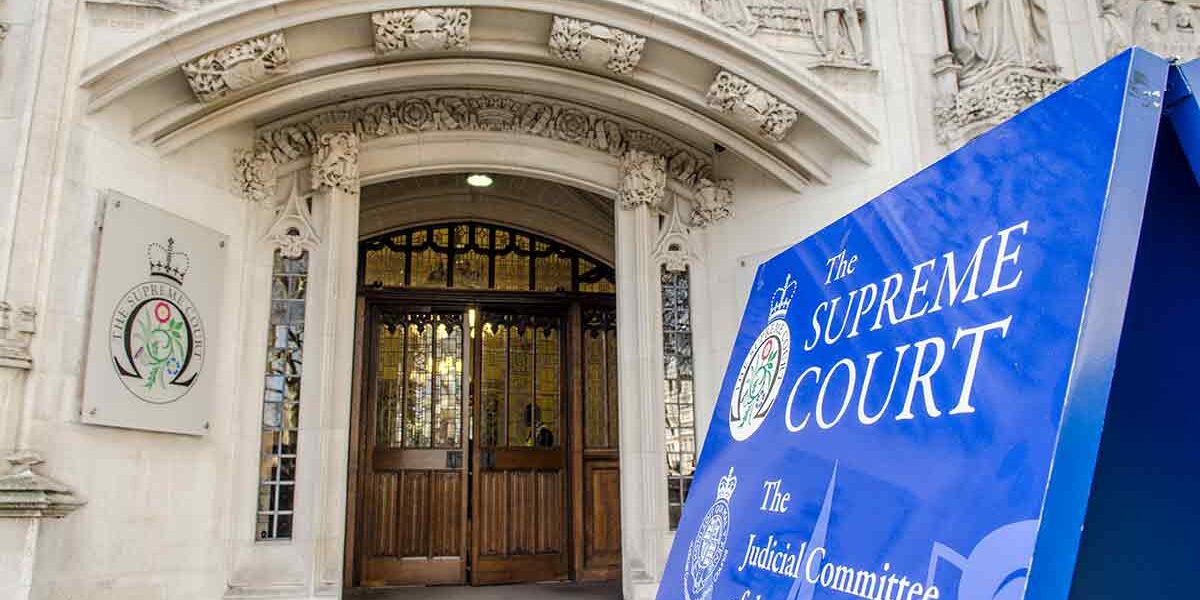
Allison Bailey, a prominent lesbian barrister, is set to take her high-profile case against the LGBTQ+ charity Stonewall to the Supreme Court. This legal battle centers on alleged discrimination that Bailey claims to have experienced while advocating for women’s rights and free speech, particularly against Stonewall’s influence in public sector policy.
Key details
Bailey’s legal journey began in 2020 when she filed a grievance against Stonewall, asserting that the charity had fostered a culture that discriminates against individuals who oppose certain views within the LGBTQ+ community. Her claims underscore a broader debate around the principles of gender identity and women’s rights, particularly in spaces where those rights intersect.
The core of Bailey’s argument hinges on her experience as a Stonewall “Champion,” which she alleges became untenable due to growing tensions over the charity’s stance on transgender rights. In her view, the charity’s policies were damaging to women who express dissenting opinions, effectively creating a hostile work environment.
After a series of legal proceedings, the case will now be reviewed by the Supreme Court, which has the authority to set crucial precedents regarding free speech, gender identity, and discrimination. The decision may have lasting implications on how organizations are held accountable for their internal policies and their impact on individual rights.
Why this matters
This case is significant as it touches on several contentious issues at the heart of contemporary social debates. Many view it through the lens of free speech, as Bailey argues her ability to express her views has been stifled. Conversely, supporters of Stonewall assert that promoting an inclusive environment is essential for protecting marginalized communities, including transgender individuals.
As the legal landscape continues to evolve, this case could set a benchmark for how other charities and organizations implement diversity and inclusion initiatives. A ruling in favor of Bailey could potentially embolden others who feel constrained by similar policies, whereas a decision favoring Stonewall might reinforce the importance of inclusivity in combating discrimination.
Broader picture
Bailey’s case encapsulates a larger societal struggle where issues of gender identity, free speech, and the rights of women intersect, raising questions about how best to navigate these often conflicting interests. Public opinion on these matters remains deeply divided, and the potential Supreme Court ruling could either confirm or challenge prevailing norms within the LGBTQ+ rights movement and beyond.
As court dates approach and discussions intensify, it is evident that this legal battle will not only affect Allison Bailey and Stonewall but could also resonate across various sectors where similar issues are at play. With the outcome likely to influence policies both within the UK and internationally, the implications of Bailey’s case will be closely monitored by advocates and critics alike.
In a time when social issues are increasingly polarizing, the Supreme Court’s response to Bailey’s claims will be a litmus test for balancing individual rights against collective values in an inclusive society.
Original Source: https://www.personneltoday.com/hr/allison-bailey-permission-supreme-court/