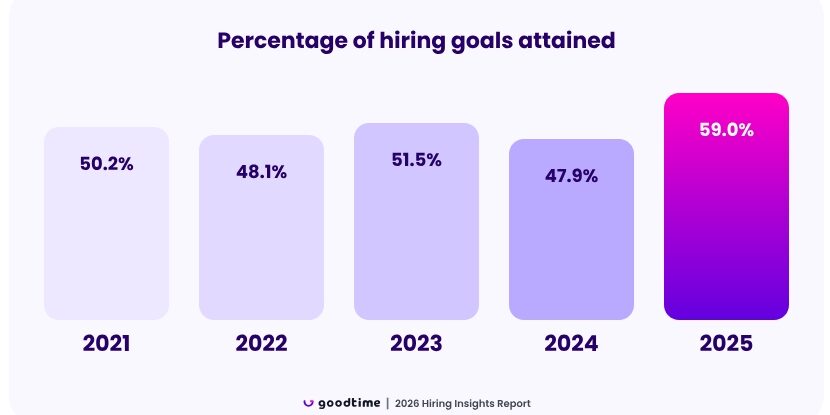
A staggering nine out of ten companies did not reach their hiring goals in 2025, a revelation that has sent ripples through the corporate landscape. Despite the anticipated recovery in the job market following the pandemic’s upheaval, many organizations found themselves grappling with unfulfilled recruitment ambitions. This has raised questions about the broader implications for the economy and workforce morale as businesses reassess their strategies moving forward.
What happened
The unprecedented failure to meet hiring targets can be attributed to a confluence of factors that emerged post-pandemic. Initially, organizations prepared for a surge in hiring motivated by pent-up demand and economic recovery. However, as companies entered the year, they faced unanticipated challenges such as talent shortages, shifting worker expectations, and an escalating competition for skilled labor.
The talent market has been particularly volatile in 2025, marked by a significant decrease in the number of candidates applying for open positions. Many job seekers, emboldened by remote work options and flexible arrangements, are prioritizing work-life balance over traditional job security. Companies that failed to adapt their offers to this new reality frequently fell short in attracting top talent.
Additionally, the recruitment process itself has become more complex and lengthy. With many firms implementing more rigorous screening processes to ensure diverse and qualified pools, the pace of hiring lagged. As urgency to fill key roles increased, some companies resorted to ineffective strategies, such as aggressive compensation packages, which ultimately did not address the underlying issues.
Why it matters
The ramifications of these hiring shortfalls extend beyond individual companies and affect the broader economy. First, an inability to recruit top talent stymies innovation and productivity, particularly in industries ripe for growth. When organizations cannot secure the right skills, projects stagnate, affecting not just internal performance but also customer service and market competitiveness.
Moreover, the morale within teams can plummet when hiring goals are unmet. Teams often experience burnout as existing employees are compelled to take on increased workloads. A high turnover rate among the workforce further complicates the situation, leading to a cycle of frustration and disengagement. This can create a detrimental work culture, which in turn hampers future recruitment efforts.
What comes next
As organizations reflect on their hiring challenges, many are beginning to reconsider their strategies. There is a noticeable shift towards nurturing internal talent through upskilling and career development programs. Companies are increasingly investing in training initiatives to bridge the skills gap and cultivate loyalty among existing employees.
In the coming months, it will be essential to watch for shifts in corporate recruiting strategies. Companies may implement more flexible work arrangements and focus on employee wellbeing to attract and retain talent. Additionally, as the job market stabilizes, adjustments in recruitment processes, such as streamlining applications and prioritizing speed, could emerge as key factors in successfully meeting hiring goals.
The immediate outlook points to a necessary recalibration within the workforce, making it imperative for businesses to adapt to the evolving landscape. With ongoing delays in recruitment, how well companies respond could define their sustainability and competitive edge in the near future.
Original Source: https://hrexecutive.com/nine-out-of-10-companies-missed-hiring-goals-in-2025-heres-what-went-wrong/