


The Information Commissioner’s Office (ICO) has issued an urgent call to recruiters to scrutinize their use of automated decision-making processes. This appeal comes as concern grows about the potential impacts of these automated decisions on prospective job candidates.
The ICO, the UK’s independent body set up to uphold information rights, encourages data protection best practice. Its recent statements underline the importance of remaining compliant with data protection laws as artificial intelligence (AI) increasingly permeates the recruitment industry.
The ICO’s recent draft guidance meanwhile, highlights concerns about the ways automation and AI can inadvertently introduce bias into the recruiting process, leading to potential discrimination and unfair treatment of candidates.
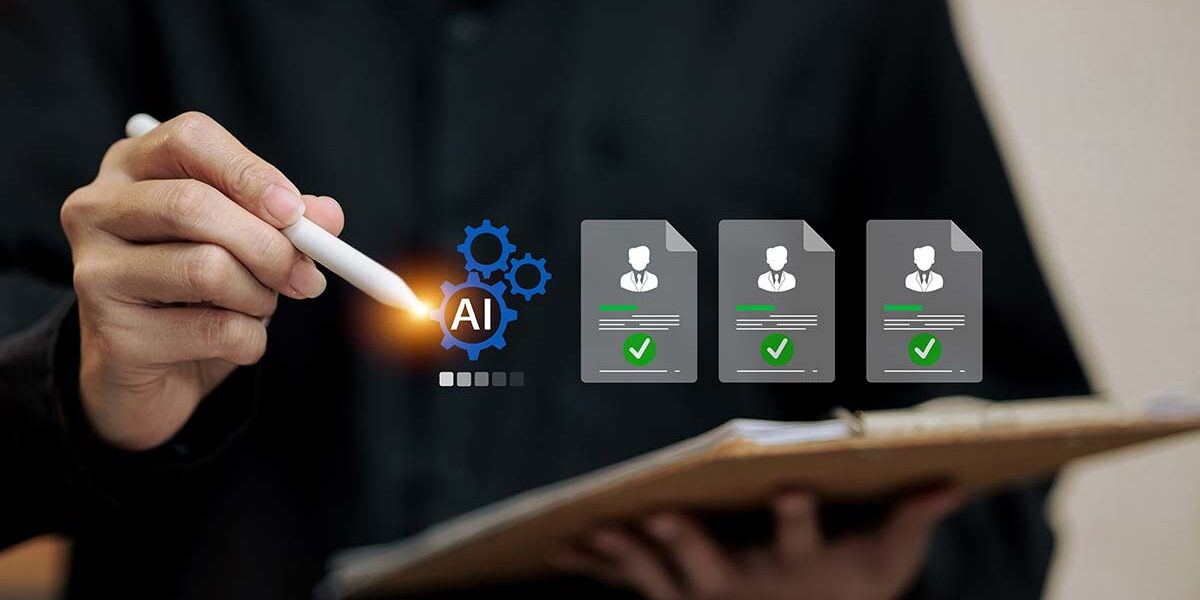
Recruiters commonly use AI-augmented methods and technology to screen large volumes of resumes in short periods. While these systems speed up the hiring process, recent online coverage suggests they may disadvantage certain groups. Pre-existing biases within the AI’s training data, for example, can result in discrimination against specific demographics.
This has prompted the ICO’s call to action, as it seeks to shape the ethical use of data and maintain fairness in recruitment procedures.
The ICO’s statements have incited a discussion over potential legislative changes concerning AI in recruitment. In particular, the ICO stresses the need for transparency within automated systems, maintaining that recruiters must be able to explain their decision-making methods to affected individuals
Acknowledging the potential for AI to “lead to quicker and more accurate decisions”, the ICO’s draft guidance maintains that “systems must be carefully designed and used to ensure they meet data protection laws”.
The ICO recommends that organizations conduct robust impact assessments to identify possible bias in their automated systems. Where AI is used, the technology should have a comprehensive understanding of its methodology and any potential limitations and biases.
The ICO has not outlawed the use of AI in recruitment completely but instead stresses that human involvement remains an essential factor in decision-making procedures. The guidance suggests this human input should be applied at an appropriate stage within the process, potentially making or reviewing the final decision.
The ICO emphasizes that individuals should be informed if they are subject to decisions based solely on automated processing, aligning with Article 22 of Europe’s General Data Protection Regulation (GDPR). This provision gives people the right to challenge and appeal decisions made purely by algorithms.
Recruitment companies should view the ICO’s guidance as a proactive notification and time to evaluate their use of AI in recruitment processes. With the increasing integration of AI, it is crucial businesses ensure they remain compliant with data protection standards, addressing and nullifying any bias in their decision-making methods.
With this approach, recruiters can still harness the speed and efficiency benefits of AI systems but will simultaneously adhere to the necessary ethical standards, ensuring fair treatment for all candidates.
In conclusion, the ICO’s recent statements underline the importance of using automation ethically and responsibly. Automated decision-making systems can dramatically streamline the recruitment process; however, their use must be balanced with the potential risks, notably discrimination and a lack of transparency. In response to the ICO’s guidance, recruiters now have the opportunity to reassess their use of AI and enforce procedures that meet data protection obligations, constrain bias, and promote fairness and transparency in the recruitment process.
Original Source: https://www.personneltoday.com/hr/automated-decisions-in-recruitment-ico-report-consultation/