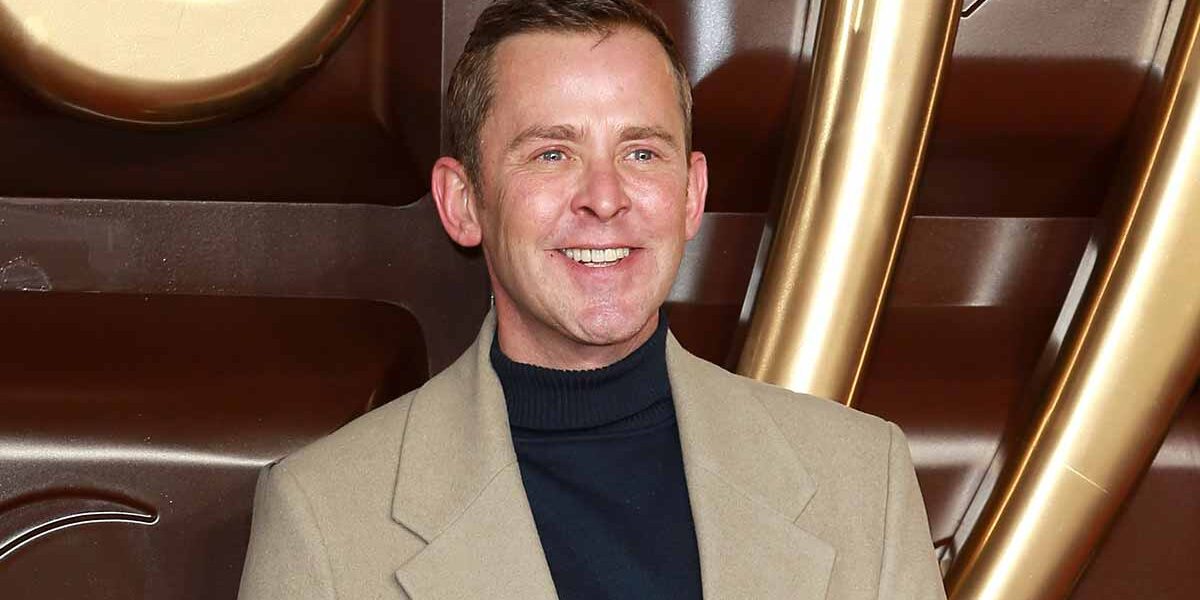
Scott Mills, a memorable name in the British Broadcasting Corporation’s (BBC) Radio 1 setup, has recently announced his departure from his longstanding position, stirring up a flurry of mixed emotions and prompting questions about the broadcaster’s handling of this departure.
Having made his presence known at the BBC for over two decades, Mills’ departure indeed marked the end of an era. His exit has been subject of extensive online conversation, with listeners split on their feelings about his departure and the way the BBC radio management handled it.
Mills began his fruitful tenure at the station in 1998. With a career spanning over 22 years, Mills had become a familiar and beloved sound to millions of Radio 1 listeners with his lunchtime show. His irreverent humour and charm led to his increasing fame and popularity, creating a dedicated fan base that has followed him throughout his BBC journey.
Recently, the BBC confirmed that Mills would be leaving his current role in the autumn to host a new weekday show from 4 pm to 7 pm on sister station Radio 2. The news was met with a mix of shock, nostalgia, and a sense of the inevitable.
For some, the move signifies a positive step in Mills’ career, with one observer citing it as a chance for him to “reinvent himself” on a different platform. Others, however, reacted with disappointment and questioned the BBC’s motives and strategic plans.
The timing of the announcement also sparked speculation online. The news was released shortly after the summer ratings were announced, where Mills recorded a dip in listenership causing some to question if Mills was pushed out due to these figures.
However, BBC Radio has firmly dismissed such speculations. Instead, they have chosen to focus on the positive impact Mills has had on Radio 1 and the opportunity this move presents for him on Radio 2. They emphasised that the decision aligned with the broadcaster’s commitment to revitalise and refocus Radio 1 towards a younger demographic.
Aima Mohammed, BBC Radio’s Controller, in an official statement praised Mills as a “Radio 1 legend,” and added that she looked forward to hearing him on Radio 2. She further supported the move by outlining a fresh dawn for Radio 1, acutely aware of a need for appealing to their younger target audience, while stating how this move will transition Radio 2 to a slightly younger listener base.
As for Mills himself, the radio veteran has been nothing but diplomatic and optimistic about his move, expressing gratitude for his time at Radio 1 and conveying excitement about his new role at Radio 2.
“I’ve loved every minute of my time at Radio 1 and I can’t wait to take on a new challenge at Radio 2. I’m truly grateful to have been given this opportunity and can’t wait to get started,” said Mills.
Reaction from the public continues to mount on social media platforms, with some praising BBC’s strategy to keep Mills within the corporation whilst others express a profound sense of loss for Radio 1.
As the news has settled, conversations have turned to speculations as to who will replace Mills in that golden 1 pm to 4 pm slot on Radio 1. The switch signals an opportunity for younger talent to step in, possibly reflecting the corporation’s strategic move to appeal more directly to their young target audience.
In conclusion, Scott Mills’ departure from BBC Radio 1 to Radio 2 has served as quite a stir within the media world, with reactions ranging from nostalgia to curiosity for what the future holds. As one chapter closes for this beloved radio figure, another exciting one opens at the BBC. His move raises pertinent questions about strategic planning within the broadcaster and the direction BBC radio is choosing to evolve. The faithfulness of his enormous fan base indicates he is likely to continue to shine in his new role and continues to be a major asset for the BBC.
Original Source: https://www.personneltoday.com/hr/scott-mills-bbc/